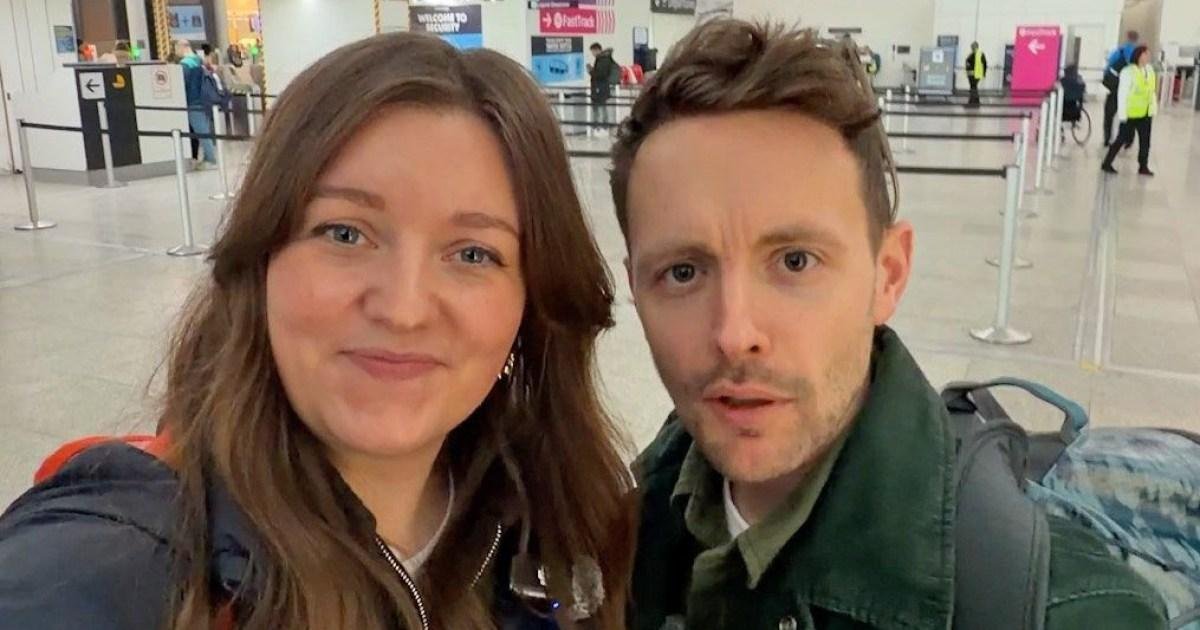
On a recent trip to Antalya, I turned the airport experience into a personal challenge at Stansted. I competed against my partner through security to determine if the £6.99 Fast Track service truly delivers on its promise of efficiency.
The Setup: A Head-to-Head Security Race
This flight with Pegasus Airlines departed on a Friday lunchtime, and we arrived about 90 minutes early—my standard for short-haul journeys. The terminal buzzed with travelers, but queues moved steadily toward regular security. Occasionally, passengers veered right to the Fast Track lane, drawn by its allure of swift passage.
Fast Track offers a sense of ease, allowing users to bypass lines and navigate security smoothly. Eager to test its value, I proposed a race. My partner headed to the paid lane, while I opted for the standard route.
My Journey Through Regular Security
To my surprise, the normal lanes proved nearly deserted. I scanned my boarding pass and navigated the short path, reaching the front in less than a minute. Then came the routine hassle: liquids needed to be in a clear bag—a step I nearly overlooked.
Fortunately, the airport used one of the newer scanners, which eased the process. As more UK airports adopt this technology and relax the 100ml liquid rule—like recent changes at Heathrow—standard queues are becoming faster overall. To play it safe, I removed my filming gear and power bank, items that have triggered checks before.
Next, I noticed my belt was still on. I quickly removed it and stepped through the body scanner, heart racing as I awaited the verdict. No alarms sounded; the light stayed green. My tray moved along without issue. Repacking swiftly, I emerged into the corridor, anticipating my partner’s arrival.
The Unexpected Twist: Fast Track Falls Behind
No sign of him. I scanned the area, wondering if he was already browsing duty-free perks. Passing the Fast Track exit, I finally spotted him—still inside, delayed by a random bag inspection.
I hid briefly, emerging victorious after his extra two-minute wait. His expression confirmed the irony: the upgrade hadn’t paid off this time. In a previous race at Gatwick, a similar random check had held him up for over 15 minutes.
Fast Track lanes often operate with limited staff and inspection stations. When multiple passengers require secondary screening—common with families carrying more items—delays mount quickly. Priority access for crew and assisted passengers can further slow the process.
Is Fast Track Worth the Cost?
In this instance, the regular queue won handily, taking under five minutes total. However, experiences vary. Fast Track shines during peak periods like school holidays, weekends, or early mornings when standard lines can stretch 30 minutes or more.
At quieter times, such as midweek off-peak travel, it’s often unnecessary—especially for solo travelers or couples without children. The decision hinges on tolerance for waits; for me, anything beyond 15 minutes prompts consideration of the fee if it halves the time.
To gauge busyness, checking social media beforehand helps. Searches for the airport often reveal real-time queue updates from fellow travelers.
Ultimately, Fast Track suits anxious flyers, those needing assistance, families, or anyone on a tight schedule. For early flights where delays aren’t an option, the convenience justifies the cost. As a budget-conscious traveler, I prefer saving the £7 for vacation extras, but I recognize its value in the right scenario. Nothing beats the satisfaction of clearing security first—especially when the ‘faster’ option lags behind.