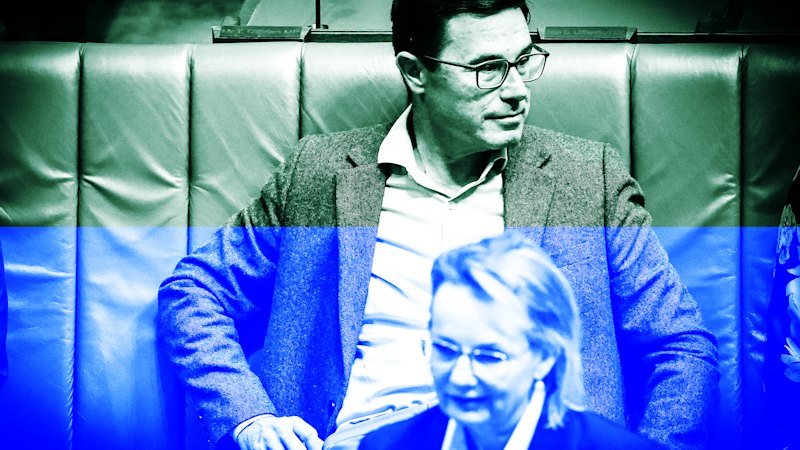
February 1, 2026 — Nationals leader David Littleproud’s effort to pressure the Liberals into replacing their leader by threatening to dissolve the Coalition agreement has not succeeded. Instead, the Nationals now hold minor party status, with Littleproud and his top MPs giving up key spots on the shadow frontbench.
Coalition Split Reshapes Opposition Dynamics
The Liberals stand as the only opposition party, while the Nationals move to the crossbench following unresolved tensions between Littleproud and Opposition Leader Sussan Ley. As parliament resumes after the summer break on Monday, longstanding practices must adapt. This includes question time slots, staffing, chamber seating, and committee roles, though the government delays final decisions in hopes of a possible reconciliation.
Minister for Home Affairs Tony Burke commented on the implications for House of Representatives operations, noting, “It never occurred to me when Barnaby [Joyce] went to join the crossbench that the entire National Party would move to the crossbench with him.” He added, “The crossbench is now as big as the opposition. We are still working out what that will mean. But it’s a big shift.”
Seating Arrangements Under Review
The split expands the crossbench from 14 to 28 members, matching the Liberal MP count and requiring chamber adjustments after decades of joint Liberal-National seating. Party whips negotiate new layouts. A government official, speaking anonymously, confirmed that the Nationals will join the crossbench at this stage.
A proposed plan suggests Liberal assistant shadow ministers shift forward to cover frontbench vacancies left by Nationals. The few remaining Liberal backbenchers would follow. Littleproud and deputy Kevin Hogan are set to occupy seats previously held by Nationals backbenchers Jamie Chaffey and Andrew Willcox, just behind the opposition frontbench. Other senior Nationals would spread out behind them, taking the rear row emptied by Liberals.
This marks another change in the chamber’s configuration since Labor’s strong election victory in May, when its MPs expanded into traditional crossbench areas.
Temporary Portfolio Adjustments and Resource Impacts
No seating changes occurred during a brief Coalition separation less than a year ago, as parliament was not in session. Ley recently stated that Liberal shadow ministers will temporarily handle portfolios vacated by Nationals. She challenged Littleproud to rejoin, indicating that these interim roles end February 9, when she plans to name six Liberals to the shadow cabinet and two to the shadow ministry, solidifying the divide with salary and staff allocations.
Current assignments include shadow treasurer and deputy leader Ted O’Brien managing assistant treasurer and financial services; shadow foreign affairs spokeswoman Michaelia Cash overseeing trade, investment, and tourism; opposition energy spokesman Dan Tehan handling resources; health spokeswoman Anne Ruston covering agriculture and forestry; shadow special minister of state James McGrath directing infrastructure, transport, and regional development; opposition defence spokesman Angus Taylor taking veterans’ affairs; and environment spokeswoman Angie Bell addressing water and emergency management.
Procedural Changes on the Horizon
House rules will likely adjust to reflect the updated parliamentary balance. The crossbench may receive more question time opportunities, rising from two (with a third optional) to four (with a fifth optional), allocated proportionally. Liberals will maintain a comparable total but lose slots previously shared with the Coalition.
Four deputy committee chair positions held by Nationals now stand vacant, prompting new appointments or rule revisions if the split endures. Former Nationals shadow ministers risk losing additional staff, higher salaries, and preferred offices. Littleproud has urged the prime minister to preserve some of these entitlements from their opposition roles, though success remains uncertain. Minor parties typically lack such resources due to differing policy duties.