

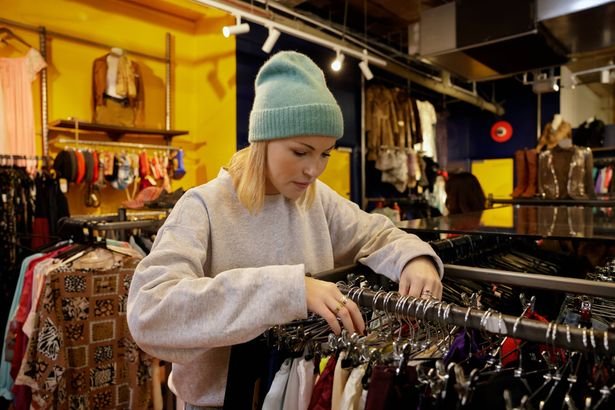
Frustration Builds Over Unaffordable Prices in Charity Stores
Shoppers across the UK express growing discontent with charity shops, where second-hand items now carry price tags that rival or exceed new retail costs. A recent social media video highlights this trend, urging people to reconsider supporting these outlets if bargains remain elusive.
A TikTok creator shared her experience after visiting a local charity store, noting the steep costs for everyday items. “Charity shops are not charity shops anymore,” she stated. “I just went in a local charity shop – the prices in there were absolutely insane. There was stuff from Primark for over £10. I can guarantee you it wouldn’t have even been £10 brand new.”
She emphasized her desire to contribute to good causes but pointed out the challenge in doing so when alternatives prove more economical. “Obviously, I want to support charity, but they need to be convincing people to spend money there. I don’t want to spend money in a charity shop if I can get the item new and cheaper,” the creator added. She criticized pricing decisions, suggesting staff often misjudge values, which may contribute to store closures nationwide. “Nobody wants to spend money on things that are so expensive and second-hand. I think the people pricing items need to be a bit more aware of what they’re doing,” she remarked.
The video prompted widespread responses from viewers, revealing similar sentiments. One commenter noted, “I used to shop a lot in charity shops, but now I find Vinted cheaper. I’ll do what’s best for my budget.” Another described an online debate with a store manager who defended higher prices due to rising operational costs, despite free incoming stock.
Evolution from Bargain Hunts to Profit-Driven Models
Viewers reflected on how charity shopping has shifted. “Because charity shops were for people who couldn’t afford clothing, then it became a trend and prices got higher – so now people who can’t afford to buy new can’t even buy from charity shops,” one user explained. “Five or six years ago people would be too embarrassed to go in; now they’re ‘thrifting’.”
Not all experiences align with complaints. Some highlighted affordable options, with one saying, “Agreed! There is a charity shop in my area and everything is £1 – £2, and the place is always packed with shoppers.” Others viewed the changes critically: “It’s less about charity; it’s all about maximum profit and senior management wages. It’s a business now.”
Debate Intensifies on Financial Forums
Similar frustrations surface on money-saving communities. A shopper recounted visiting stores in a low-income neighborhood, shocked by a pair of jeans priced at £300. “I understand that they have to make money and I donate to many charities, but… Who goes into a charity shop in poverty-stricken areas and has the money to buy such an item? Are they capitalising on low-income families? I thought these places were for people who can’t afford to shop in retail stores,” the individual wrote.
Staff response only heightened the dismay: “I was disgusted when I asked them why they were so expensive. They just said that I didn’t have to buy them and I could go elsewhere.”
Counterarguments suggest pricing strategies aim to prevent exploitation. One forum user explained, “If a charity shop prices things too low, it rapidly gets weeded through by people who sell online for a profit.” This perspective underscores the balance charities navigate between affordability, sustainability, and preventing resale abuse.
As economic pressures mount, these discussions reveal a broader tension: how charity shops can fulfill their mission while adapting to market realities.









