

Reflecting on Pandemic Challenges and Community Importance
The COVID-19 pandemic highlighted the vital role of local pubs and independent breweries in fostering social connections and supporting communities. During lockdowns, many individuals backed these establishments where possible, underscoring their significance in daily life. As the nation recovered, demand for independent beers surged, yet the sector faces ongoing threats.
Brewery Closures and Economic Pressures
In the past year, an average of three UK breweries have shuttered weekly, resulting in the loss of 140 community assets and thousands of local jobs. Independent breweries remain cherished for producing sought-after local beers that help reunite friends and families.
A major factor contributing to these closures is the substantial tax burden on the brewing and pub industry, one of the UK’s most heavily taxed sectors. Breweries often pay up to 40 percent of their turnover in taxes, far exceeding rates for online tech giants and gambling firms. This disparity diverts funds from hospitality investments to government coffers, while foreign-owned digital businesses continue to thrive.
The effects are evident on high streets nationwide, exacerbated by outdated business rates systems. Recent debates over pub rates and a subsequent policy reversal this week illustrate the harm caused by these antiquated structures. Officials have pledged reforms to modernize business rates, adapting them to a digital economy.
High Alcohol Duties and Upcoming Increases
Alcohol duties, including beer tax introduced in 1643, add to the strain. The UK imposes the second-highest beer duty rates in Europe, generating £3 billion annually for the Treasury. Effective February 1, these rates will rise by 3.66 percent, further pressuring the sector.
The Role of Draught Relief in Supporting Pubs
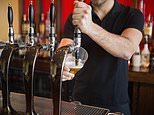
A potential solution lies in expanding Draught Relief, a policy from the previous administration that applies lower taxes to beer served in community pubs compared to cans and bottles in supermarkets. Widening this differential could better recognize the social value of pubs and the operational costs of venues that promote gatherings.
Research conducted by the Centre for Economic and Social Research (Cebr) indicates that increasing the relief to a 20 percent gap could generate 2,200 additional jobs in the on-trade beer market and add £70 million to local economies. A more ambitious 50 percent differential might create nearly 9,000 jobs and contribute £265 million.
Andy Slee, Chief Executive of the Society of Independent Brewers and Associates, stated that such measures would ‘take the handbrake off business,’ enabling job creation and venue investments. He emphasized that the policy aligns with public health goals by encouraging moderated consumption in pub settings over home drinking.
Government Commitments and Future Outlook
Recent national discussions have placed pubs at the forefront, prompted by sector crises that remind society of their irreplaceable role. The government has acknowledged missteps in business rates and committed to sector support over the coming years. Alongside broader reforms, adjusting beer duties could level the playing field in a digital era, benefiting communities and the economy.









