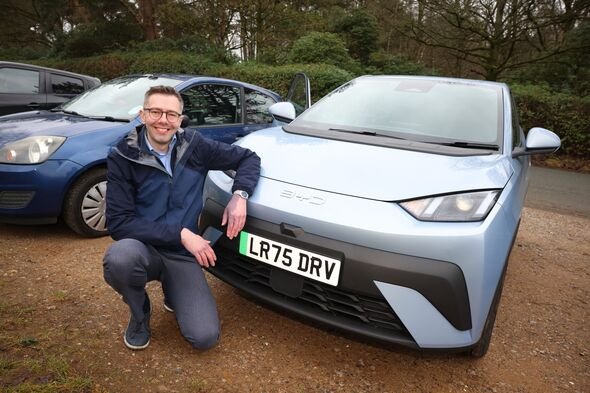
I never imagined switching to an electric vehicle so soon. The technology always felt too immature for everyday use, despite steady advancements. Everything shifted when my reliable 13-year-old Ford Ka failed its MOT with repair costs exceeding its value. Searching for a replacement revealed far fewer affordable options than a decade ago. Small cars under £10,000, like the Toyota Aygo, Hyundai i10, Fiat 500, or Vauxhall Corsa, have largely vanished from new lineups. Even staples like the Ford Focus are discontinued.
Opting for a used car carried risks of hidden mechanical issues, so I avoided that route. Spending £20,000 on a new model seemed excessive, but a compelling offer on the BYD Dolphin Surf, introduced by the Chinese manufacturer last year, caught my eye. After a test drive at a dealership in Croydon, I appreciated its smooth handling, minimalist interior, and sharp styling from a former Lamborghini designer. The financing terms included a £189 deposit followed by £189 monthly payments over four years at zero percent interest. Keeping the car requires a balloon payment over £7,000, but returning it is an option. Its five-star Euro NCAP safety score and eight-year warranty provided confidence, especially with a retailer discount making the total £21,677.25 more manageable than a lump-sum purchase.
Transitioning from an Old Gas Guzzler
After years with an aging petrol car, the Dolphin Surf feels like a leap into the future. Modern vehicles have evolved significantly, and this EV delivers a quiet, responsive ride. Despite thorough research, several aspects of electric ownership surprised me. These insights might not have deterred my purchase, but they are essential for anyone considering an EV switch.
Real-World Range vs. Official Claims
The Dolphin Surf Boost model features a 43.2kWh battery, with BYD estimating around 200 miles per charge. Independent tests suggest a more realistic 165 miles, which aligns with my experience—provided you drive conservatively and avoid aggressive acceleration on highways. Factors like cold weather, wind, or air conditioning use can reduce this further; BYD’s range tool indicates AC alone cuts about 10 miles.
To maintain battery health, avoid routine full charges to 100% or letting it dip below 20% frequently. Occasional extremes are fine, but for longevity, aim to recharge every 100 miles or so, keeping levels between 20% and 80%. This works well for short commutes under 50 miles, but longer trips or high-mileage drivers may find it limiting.
Navigating Public Charging Hurdles
Home charging simplifies things—just plug in overnight to maintain a full battery. Public options vary widely. Reliable spots at BP or Shell stations mimic fuel pumps: tap your card and charge instantly. However, other locations can frustrate, especially when urgency strikes.
Apps like Zapmap help locate stations, but issues persist: some are taxi-only, others malfunction, cables may not reach, or bays lack EV designation. Near my Canary Wharf workplace in Poplar, legal petrol vehicles often block access. One site boasted eight chargers but only four spots—a planning oversight. Infrastructure has expanded greatly in the last decade and continues to improve, but sticking to trusted networks prevents low-battery disappointments.
The Impact of New EV Road Tax
Shortly after taking delivery, Chancellor Rachel Reeves announced a 3p-per-mile tax on electric vehicles in the November Budget, effective from 2028. For my low mileage, it might add just a few hundred pounds annually. Higher drivers could reconsider EVs due to this cost. With government policy shifts common, details remain unclear—such as handling foreign travel miles. Taxing clean vehicles while promoting sustainability feels contradictory, though my positive experience tempers any bias.