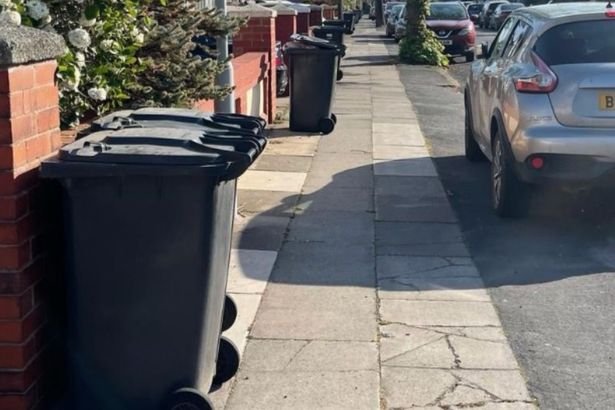
Households across England prepare for significant changes in waste management as a national overhaul of bin collections takes effect. Starting March 31, residents must adapt to stricter guidelines designed to boost recycling rates and reduce environmental impact.
Key Changes to Waste Separation
Under the new universal standard, families will receive additional bins or bags, bringing the total to four for most homes. Food waste can no longer go into general rubbish bins and must be collected separately to prevent contamination and promote composting.
Recycling rules tighten further, requiring households to sort materials more precisely. Paper and cardboard need their own container, distinct from plastics, metals, and glass. A dedicated bin remains for non-recyclable household waste, but users must ensure only appropriate items are placed inside to avoid fines.
Enforcement and Fines
Local councils gain authority to enforce compliance with fines ranging from £60 to £80 for violations. To ease the transition, some areas may offer a grace period, allowing residents time to adjust. Authorities emphasize clear local communication to help households understand the updates.
Aim to End Recycling Confusion
These reforms address longstanding inconsistencies in collection practices. The Department for Environment, Food and Rural Affairs explains: “Citizens will be able to recycle the same materials across England, whether at home, work or school, and will no longer need to check what is accepted for recycling in their local area. A universal standard will ensure that everything that can be collected for household recycling is collected in every region. Simpler Recycling will also end the ‘postcode lottery’ of bin collections in England, whereby councils collect different materials for recycling, causing confusion for households.”
By standardizing processes nationwide, the initiative seeks to simplify recycling, increase participation, and support broader sustainability goals.