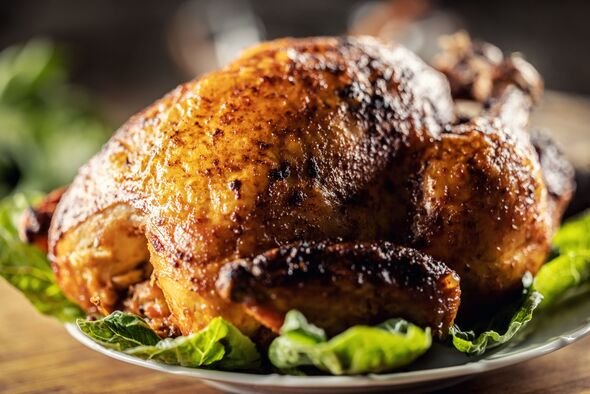
The Secret to Perfect Crispy Skin on Roast Chicken
Achieving that irresistible crunch on roast chicken skin requires more than just tossing the bird in the oven. Through consultations with leading chefs and food experts, a clear consensus emerges: seasoning the chicken the night before cooking is essential for optimal crispiness. This technique draws out moisture, resulting in golden, crunchy skin while keeping the meat tender and juicy.
Seasoning Overnight for Maximum Crisp
Jamie Newman, executive chef at Croeso Pubs in Wales, recommends salting the bird a day in advance. “If you want extra-crispy skin, salt the bird the day before,” he states. “Just be mindful that it can make the gravy a little saltier.”
Marissa Stevens, recipe developer and founder of Pinch and Swirl, relies on this method after years of experience. “I’ve been roasting chickens for more than 15 years, and this method is what I come back to again and again,” she explains. “Season the night before. I rub herb salt all over the chicken and lightly rub it into the breast and onto the legs and thighs, then season with freshly ground black pepper. It sits uncovered in the fridge for 12 to 24 hours, which makes the skin extra crispy.”
Maggie Turansky, founder and head recipe developer at No Frills Kitchen, echoes this approach. “I always salt the bird in advance,” she notes. “This also helps retain moisture and can ensure crispy skin. Use about 2 tsp of salt and sprinkle it generously over the chicken… Refrigerate it uncovered in the fridge (this helps the skin dry out and become crispy) for a couple of hours or up to 24.”
Kyle Taylor, founder and chef at He Cooks, emphasizes the importance of heavy salting. “For me, a perfect roast chicken comes down to two things: crispy skin and juicy meat,” he says. “My move is to salt the bird heavily and let it sit uncovered in the fridge overnight. If you’re short on time, even a few hours makes a difference. This is critical for ensuring crispy skin. Whatever you do, don’t cover it with foil. Foil is the enemy of crisp skin because it just traps moisture.”
Drying the Skin for Better Results
Beyond overnight seasoning, ensuring the skin is thoroughly dry plays a pivotal role. David Colcombe, chef director and ambassador for Maple from Canada UK, starts with basic seasonings. “For me, the perfect roast chicken starts with a simple seasoning of salt, pepper and fresh herbs like thyme and rosemary,” he describes. “I like to rub a little maple syrup over the skin before roasting — it gives a subtle sweetness and helps the skin caramelise beautifully.”
Michael Forbes, kitchen expert at AEG, advises patting the chicken dry. “Ensure that before putting your chicken in the oven you make sure to pat it dry inside and out, before letting the chicken sit uncovered at room temperature for 20-30 minutes,” he suggests. “This is one of the most important steps as any moisture on the surface can prevent browning. With the skin being dry, the surface temperature of your chicken will dry quicker, helping to create the idyllic crispy golden outer layer.”
Ruben Ruggier, executive chef at InterContinental New York Barclay, takes drying further with brining. He injects a 5% salt brine into the meat for even distribution, then “air-dry the chicken uncovered in the fridge for 1–2 days to really dry out the skin, which makes a huge difference in crispiness.”
Richard Turner, former founding chef at Hawksmoor and co-founder of Turner & George, also uses brining. He soaks the chicken in “a long soak in salty, lemony, herby water that tenderises the meat, locks in moisture, and means you’ll never eat dry chicken again.” After brining overnight, he pats it dry and air-dries it uncovered in the fridge for 24 hours. “This step gives you that golden, crispy skin,” Turner affirms.
Proven Cooking Methods for Crisp Perfection
Once prepared, cooking techniques vary but focus on high heat for crisping. Ruben Ruggier employs a two-stage process: “Start low at around 135°C (275°F) to gently cook the meat, then finish hot at about 275°C (500°F) to crisp the skin. I like to let the chicken rest between stages, then hit it with high heat one more time at the end for that ultimate crackly, golden skin.”
Private chef Chuck Hayworth begins with intense heat. “I start high at 230°C (450°F) for 15 minutes uncovered to get the skin crisp and then drop it down to 190°C (375°F) until done,” he shares. “I never cover it with foil. Foil steams the skin which is the opposite of what we want.”
Richard Turner preheats to 200°C (390°F). “Brush the chicken with butter, season with salt… Roast for 20 minutes, then drop the temperature to 160°C (320°F) and keep going for around 50 minutes, or until the thickest part of the thigh registers 75°C and the juices run clear.”
David Colcombe roasts uncovered at 200°C (390°F) initially. “Once the chicken is golden brown, reduce the oven temperature to 160°C (320°F) and continue roasting until cooked through,” he advises. “Basting with butter or olive oil throughout helps lock in flavour and letting it rest for 10–15 minutes before carving ensures the juices stay in the meat.”
Jamie Newman preheats to 180°C (350°F) with aromatics like garlic, rosemary, thyme, lemon, and olive oil. He covers with foil for the first hour to infuse flavors, then removes it for 30 minutes to crisp the skin, followed by a 20-minute rest.
These expert insights confirm that preparation and technique combine to deliver restaurant-quality results at home.