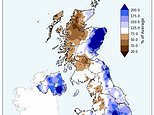
Historic Rainfall Across the UK
Recent meteorological data reveals January 2026 ranked among Britain’s wettest opening months in recorded history, with nationwide precipitation levels exceeding long-term averages by 17%. Persistent Atlantic weather patterns drove this exceptional rainfall, as multiple low-pressure systems traversed the country throughout the month.
Regional Variations Highlight Weather Extremes
Northern Ireland experienced its wettest January in 149 years, recording 70% more rainfall than typical. England’s southern regions saw particularly dramatic conditions with 74% above-average rainfall, while northern England received only 10% more precipitation. Scotland notably recorded below-average rainfall during the same period.
Cornwall and County Down registered their wettest January since record-keeping began. Multiple counties including Dorset, Devon, and Surrey documented their second-highest January rainfall totals since 1836.
Storm Chandra Sets New Records
The most significant single-day rainfall occurred on January 26 during Storm Chandra. Katesbridge in County Down recorded 100.8mm of precipitation – nearly triple the location’s previous daily record. Several weather stations across Devon, Dorset, and Cornwall also surpassed historical daily rainfall benchmarks.
Temperatures and Climate Patterns
Despite the heavy rainfall, January temperatures averaged 0.5°C below seasonal norms across the UK. This follows recent climate data showing 2025 as Britain’s warmest year on record, with average temperatures reaching 10.09°C – 0.96°C above historical averages.
Climate Patterns Signal Broader Changes
Met Office science manager Dr. Amy Doherty explained: ‘A strong jet stream repeatedly steered low-pressure systems toward the UK, creating saturated ground conditions that amplified rainfall impacts. This persistent Atlantic weather pattern accounts for the exceptional totals.’
Climate specialists note the increasing frequency of temperature records being broken. ‘Our observations align with expected consequences of human-induced climate change,’ stated Dr. Mark McCarthy, head of climate analysis. ‘While not every year will set records, the trend toward warmer conditions remains clear.’
Meteorologists continue monitoring these shifting weather patterns as part of ongoing climate research initiatives.