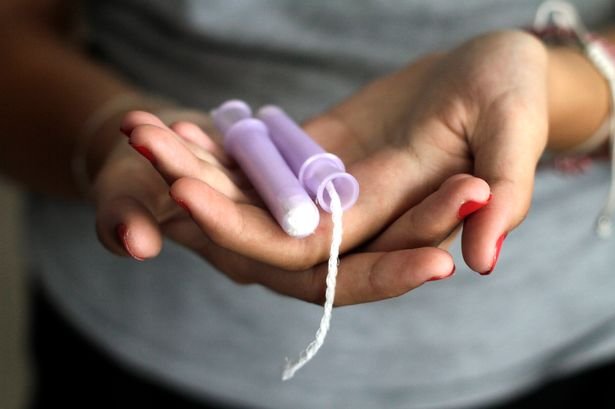
Regulatory Gaps in Menstrual Product Safety
Recent studies have detected potentially hazardous substances in menstrual products, including arsenic, toxic pesticides exceeding drinking water limits by 40 times, and elevated levels of PFAS chemicals in reusable items. Reports indicate that candles currently face stricter regulatory requirements than menstrual products in many markets.
Presently, manufacturers aren’t legally required to disclose ingredients or prevent chemical residues in these products. “The current regulatory landscape leaves menstrual products less supervised than everyday household items,” stated Helen Lynn, a women’s health environmental researcher.
Understanding the Health Risks
Valentina Milanova, founder of a gynaecological health company, explained: “The critical concern involves chronic exposure through monthly use over decades. Internal application creates heightened vulnerability, where even low-level contaminants become significant through accumulation.”
Studies have linked certain heavy metals to endocrine disruption at sufficient doses, while pesticide residues and dioxins are associated with immune and hormonal interference. Synthetic fragrances frequently cause vulvovaginal irritation and microbiome imbalances according to clinical observations.
Selecting Safer Menstrual Products
Health specialists recommend these guidelines for consumers:
Transparency Over Marketing Claims
“Prioritize brands that voluntarily disclose full ingredient lists and testing methodologies,” advised Justyna Strzeszynska, a menstrual health technology developer. “However, terms like ‘natural’ or ‘non-toxic’ without verification data often constitute greenwashing.”
Simplified Product Composition
Experts suggest avoiding unnecessary additives: “Steer clear of fragrances, dyes, or coatings promising enhanced freshness,” Strzeszynska continued. “Consider alternating between internal and external protection methods to reduce exposure duration.”
Origins of Product Contamination
These substances typically enter products through agricultural processes rather than intentional addition. “Cotton plants naturally absorb metals from soil and irrigation systems,” Strzeszynska clarified. “Organic certification alone doesn’t eliminate this risk if cultivation occurs in mineral-rich earth.”
Some manufacturers implement rigorous testing beyond regulatory requirements. “We’ve conducted heavy metal screenings since 2019,” Milanova noted. “Consumers deserve complete transparency regarding materials used in highly absorbent, biologically sensitive applications.”
Potential Regulatory Developments
Mounting scientific evidence is driving calls for legislative reform. “The United States classifies these products as medical devices, while UK regulations lack similar mandatory ingredient disclosures,” Strzeszynska observed.
Advocacy groups are pushing for comprehensive menstrual product legislation that would mandate full ingredient transparency and contaminant testing. Milanova acknowledged progress but emphasized: “Current safety standards remain fragmented across regions. Until harmonized regulations exist, consumer protection relies heavily on manufacturer initiative.”