

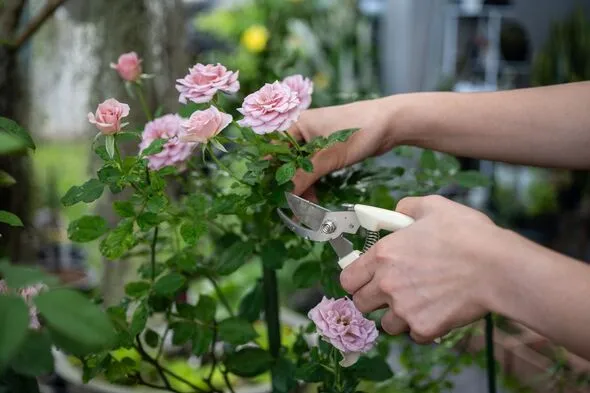
Mastering Rose Pruning for Continuous Summer Flowers
Garden roses can provide vibrant color throughout warmer months when maintained with appropriate pruning methods. Different varieties require distinct approaches to maximize blooming potential while maintaining plant health.
Hybrid Tea Roses: Spring Hard Pruning
Varieties that flower on new growth benefit from aggressive spring pruning. Horticultural guidelines recommend first removing damaged or crossing stems, then shaping remaining branches into open bowl formations using stubby cuts.
“Always make cuts immediately above a bud,” gardening specialists advise. “The weakest growth should receive the most severe trimming to encourage robust new stems.”
Shrub Roses: Minimal Maintenance Approach
These hardy varieties require limited intervention, with some experts suggesting a single annual pass using hedge trimmers. Damaged branches and excessively long growth should be removed during winter dormancy or early spring.
Research indicates late summer pruning may enhance flowering performance the following season while maintaining natural growth habits.
Climbing Varieties: Structural Management
True climbing roses produce blooms from spring through autumn when properly maintained. Horticulturists recommend autumn or winter pruning to preserve lateral stem frameworks that produce flowering side shoots.
“Annual removal of approximately one-third of the oldest wood stimulates continuous renewal,” botanical experts confirm. This systematic approach maintains plant vitality while maximizing floral displays.
Rambling Roses: Post-Bloom Care
These summer-flowering specimens require immediate attention after blooming concludes. Garden specialists emphasize training and light trimming following their midsummer floral display, as next season’s buds develop on stems produced in late summer.
Proper identification of rose types combined with timely pruning techniques can extend flowering periods while promoting plant health and structural integrity.









