

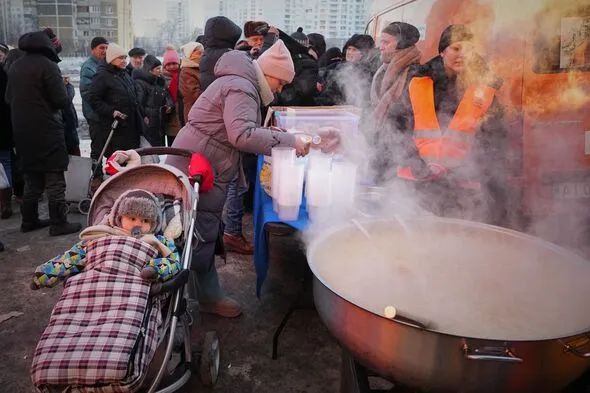
Kyiv endures severe winter hardships as temperatures drop to -25°C, triggering up to 20-hour power outages that disrupt heat, water, and daily life across the city.
Daily Struggles in the Cold
Blackouts cause buildings to lose heating and running water simultaneously, since pumps and boiler systems depend on electricity. Short restoration periods fail to warm structures adequately, leaving residents shivering. Unpredictable outage schedules add chaos—power often returns at night or when people are at work.
In high-rise apartments, non-functional elevators force elderly residents, people with disabilities, and families with young children to climb multiple flights of stairs repeatedly, intensifying physical strain.
Adaptation and Energy Repair Efforts
Residents adapt by chasing brief power windows, but sustained lack of heat proves most challenging. Some flats register temperatures near 1°C after weeks without heating. Families temporarily relocate or use portable heaters powered by devices like charging stations.
Energy workers labor nonstop, often under threat of fresh strikes, to repair the grid. Most damage proves fixable, restoring partial service. However, Russian attacks create a relentless cycle: stabilization invites new barrages, demanding repeated rebuilding in worsening conditions.
Path to Relief
Warmer weather eases peak demand temporarily, but protection remains essential. Enhanced air defenses and ample interceptors offer the sole route to enduring stability for energy infrastructure.
Three years of air raid sirens and existential threats already erode societal resilience. Coupled with outages stripping electricity, water, and heat, the toll affects mental and physical health. Constant uncertainty dismantles routines, forcing perpetual adaptation for work, household tasks, and children’s education.
Community Resilience and Risks
Russia aims to render civilian life exhausting and untenable, pushing survival instincts. Yet Kyiv persists: workers commute, essential services operate, and grassroots efforts flourish. Neighbors collaborate on generators, support each other, and aid municipal teams.
Challenges mount, though. Prolonged outages heighten humanitarian risks in unheated, waterless areas. The city bolsters “Points of Resilience” for warming, charging, internet access, and hot drinks. Businesses contribute similar hubs voluntarily.
Defensive Imperative and Broader Stakes
Physical fortifications for facilities prove costly and slow against attack frequency. Air defenses with sufficient missiles neutralize threats preemptively.
Ukrainian soldiers bear the heaviest load, defending front lines at -25°C to prevent wider European spillover. Partners, including the United Kingdom, bolster defenses vital for Ukraine’s sovereignty and Europe’s security.
No Genuine Peace Signals
Ongoing deliberate strikes on energy grids and civilians signal no negotiation intent from Russia. Despite nearly 12 years of conflict, battlefield goals like full Donbas control elude Moscow, prompting rear assaults to coerce talks.
Ukraine engages all peace proposals, but escalation undermines dialogue. Ukrainian MP Inna Sovsun, a former government minister, asserts that Putin views pledges tactically and responds only to pressure. She urges abandoning illusions of Russian peace interest, pushing enforced sanctions and robust defense aid to force a true resolution.









