February 8, 2026
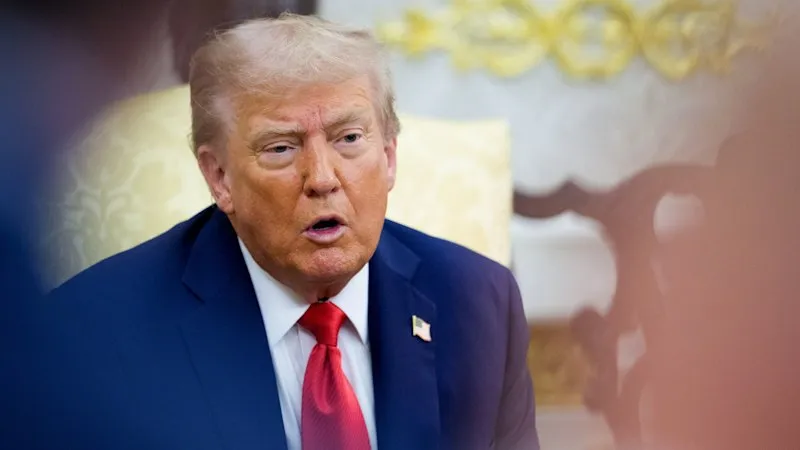
London — A sharp rebuke to U.S. President Donald Trump ignites a diplomatic standoff in Poland after the speaker of the nation’s parliament refuses to nominate him for the Nobel Peace Prize. This incident highlights Europe’s increasing push for independence from the U.S., even amid threats from Trump’s allies.
Poland’s Parliament Speaker Voices Strong Opposition
The dispute erupts when Wlodzimierz Czarzasty, Speaker of the Polish Sejm, publicly rejects a joint nomination request from U.S. House Speaker Mike Johnson and Israeli Knesset Speaker Amir Ohana. Czarzasty criticizes Trump’s approach to international affairs.
“In my opinion, President Trump is destabilising the situation in these international organisations by representing the politics of force and using force to pursue a transactional policy,” Czarzasty states. “All of this means that I will not support President Trump’s Nobel Prize nomination because he doesn’t deserve it.”
Trump seeks the prize this year for his role in brokering a Gaza ceasefire, following disappointment over last year’s omission.
US Ambassador Escalates Tensions
U.S. Ambassador to Poland Tom Rose responds forcefully on social media, announcing a freeze on communications with Czarzasty. Rose, appointed by Trump shortly after his re-election, avoids direct conflict with Polish Prime Minister Donald Tusk.
“Effective immediately, we will have no further dealings, contacts, or communications with Marshal of the Sejm Czarzasty, whose outrageous and unprovoked insults directed against President Trump has made himself a serious impediment to our excellent relations with Prime Minister Tusk and his government,” Rose posts on X.
The ambassador also hints at withdrawing U.S. troops in response to Polish criticism, heightening the rift.
Polish Leadership Reacts
Prime Minister Tusk urges mutual respect among allies. “Mr Ambassador Rose, allies should respect each other, not lecture each other,” Tusk writes on X. “At least this is how we, here in Poland, understand partnership.”
Tusk further critiques Trump’s Greenland ambitions during an EU summit in Brussels on January 22. “We respected and accepted American leadership,” he says. “But what we need today in our politics is trust and respect among all partners here, not domination and, for sure, not coercion. It doesn’t work in our world.”
Poland’s President Karol Nawrocki, however, praises Trump as the only leader able to counter Russian President Vladimir Putin.
Europe Signals Broader Shift
The Poland clash follows tensions over Trump’s Greenland claims. European Commission President Ursula von der Leyen describes the EU’s response as “firm but non-escalatory” and vows to maintain that stance.
Finnish President Alexander Stubb warns of shifting U.S. priorities. “The United States is an important ally for us. At the same time, we must be honest with ourselves and acknowledge that the United States is changing,” Stubb tells parliament. “The foreign policy of the current US administration… undermines the current international order.”
Italian Prime Minister Giorgia Meloni offers a warmer reception, hosting U.S. Vice President JD Vance at the Milan Winter Olympics.
Hungary’s Alignment with Trump
Hungarian Prime Minister Viktor Orbán receives Trump’s endorsement ahead of April elections. “Viktor Orbán is a true friend, fighter, and WINNER, and has my Complete and Total Endorsement for Re-Election as Prime Minister of Hungary,” Trump declares.
European responses to Trump vary widely, testing NATO ties and transatlantic relations amid diverging views on global leadership.