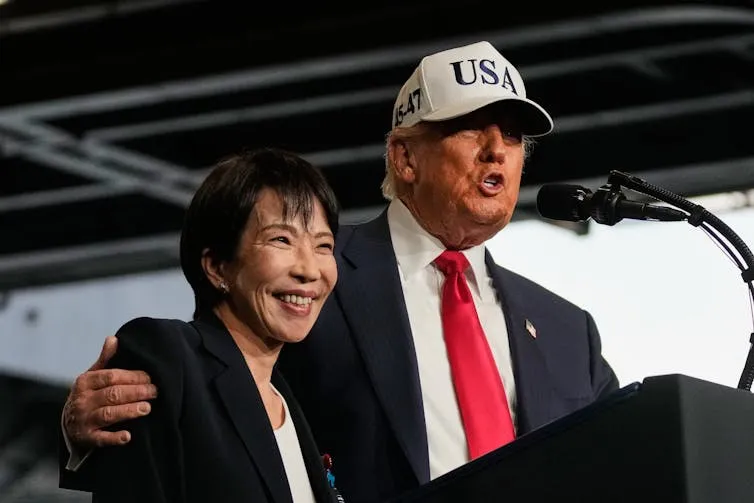
Japanese Prime Minister Sanae Takaichi’s Liberal Democratic Party (LDP) secured a landslide victory in the parliamentary elections she called soon after assuming office. With power consolidated in Japan’s Diet, attention now turns to how she will wield this mandate.
Takaichi has shaken up Japan’s typically reserved political landscape since her October parliamentary election as prime minister. Her appeal to younger voters stems from sharp social media engagement, distinctive fashion, and diplomatic charisma—including a memorable drumming session alongside South Korea’s President Lee Jae-myung.
Capitalizing on early popularity, she triggered a snap election to bolster her Diet majority before any potential decline.
Unexpected Election Triumph
Despite the LDP’s long postwar dominance, recent scandals led to losses: the coalition with Komeito forfeited its lower house majority in 2024 and upper house control last year.
The turnaround accelerated after Prime Minister Shigeru Ishiba’s September resignation amid these defeats. Pre-election polls forecasted strong LDP gains alongside new partner Nippon Ishin (Japan Innovation Party). An endorsement from U.S. President Donald Trump provided further momentum, despite mixed public views on him, given America’s role as Japan’s key security ally and top export market.
Doubts lingered on translating Takaichi’s youth appeal into votes, but frigid weather and snow did not deter turnout. The LDP returned with a commanding lower house majority, achieving a two-thirds supermajority that allows overriding upper house opposition.
Firmer Stance Toward China
The hawkish leader has adopted a bolder approach to China. In November, she declared Japan could militarily support Taiwan against a potential invasion, prompting sharp backlash from Beijing that persisted into the new year.
Public opinion splits on direct Taiwan aid, but strong backing exists for accelerating defense spending to 2% of GDP by March—two years early. December’s cabinet decision approved a 9.4% defense hike, emphasizing domestic production in cyber, space, and long-range strike capabilities.
Facing threats from China, North Korea, and Russia, her administration plans revisions to Japan’s foundational security strategies this year.
Economic Pressures Take Center Stage
Defense aside, economic performance will define her tenure. Rising inflation and flat wages erode living standards; rice prices have doubled since 2024, peaking last month and toppling a farm minister amid public fury. Inflation exceeds the Bank of Japan’s 2% target for 45 months, with real incomes declining over four years despite recent nominal wage gains.
Takaichi prioritizes cost-of-living relief, pledging a two-year suspension of the 8% food tax. Her government rolled out a $135 billion stimulus last year, featuring subsidies for energy bills.
These measures widen the budget deficit atop Japan’s massive public debt. Bond prices tumbled last month post-election call, as markets anticipated fiscal loosening. The Bank of Japan shows little inclination to prop up bonds, potentially raising borrowing costs.
A shrinking population and workforce pose profound hurdles. Takaichi now holds the authority to advance her agenda decisively—delivery remains the test.