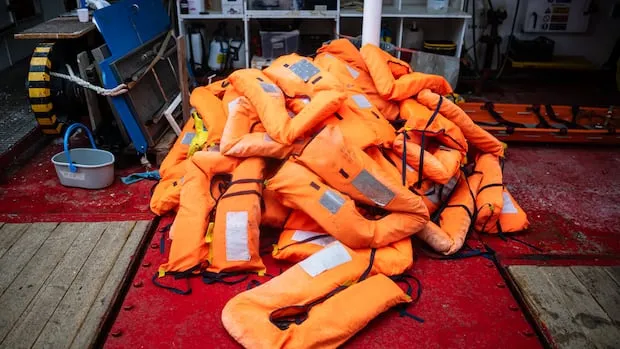
An inflatable boat carrying 55 African migrants sank off Libya’s coast, leaving at least 53 people dead or missing, including two babies. The vessel departed from the western town of Zawaiya shortly before midnight on Thursday and capsized about six hours later on Friday morning north of Zuwara after taking on water.
Survivors Rescued Amid Devastation
Libyan authorities rescued two Nigerian women from the wreckage. One woman reported losing her husband in the disaster, while the other mourned the loss of her two infants. Such tragedies highlight the extreme risks migrants face on this perilous central Mediterranean route.
Trafficking Networks Fuel the Crisis
Smuggling operations exploit vulnerable migrants by deploying unseaworthy vessels from instability-plagued Libya toward Europe. Data from the International Organization for Migration’s missing migrants project indicates 484 deaths or disappearances on this route in 2026 so far. January’s Cyclone Harry intensified the dangers, contributing to the toll.
Last year recorded over 1,300 such fatalities, underscoring the persistent hazards.
Libya’s Role as Key Transit Hub
Since the 2011 overthrow of longtime leader Moammar Gadhafi, Libya has become the primary launch point for migrants escaping conflict and poverty in Africa and the Middle East. Traffickers capitalize on the country’s porous borders with six nations, funneling people onto overcrowded rubber boats ill-suited for open seas.
Detention Centers Plagued by Abuses
Migrants intercepted at sea and returned to Libya often end up in government detention facilities notorious for severe human rights violations. UN investigators classify practices such as forced labor, beatings, rape, and torture as crimes against humanity. These abuses frequently serve to extort payments from detainees’ families before release for another smuggling attempt.