

France Steps In to Shield UK Forces in Cyprus Following Drone Attack
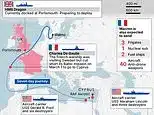
Fresh outrage surrounds the Royal Navy’s readiness after an Iranian drone from Lebanon struck RAF Akrotiri in Cyprus on Sunday, breaching air defenses. Cyprus’s president sought urgent naval aid from France, prompting President Emmanuel Macron to deploy two frigates alongside the Charles de Gaulle carrier strike group, now rerouted to the eastern Mediterranean. Greece committed warships, while Germany received a similar request.
The UK responded late by dispatching HMS Dragon, a Type 45 air defense destroyer, from Portsmouth, where it loaded ammunition today. The journey will take over a week, raising questions about the absence of pre-positioned vessels amid U.S. President Donald Trump’s recent threats against Iran.
Naval commanders had proposed deploying a ship to Cyprus preemptively, but officials prioritized NATO exercises off northern Europe.
Political Clash in Parliament
The incident fueled a heated exchange at Prime Minister’s Questions between Prime Minister Keir Starmer and Conservative leader Kemi Badenoch. Badenoch criticized Labour’s priorities: “The one ship we’re sending, HMS Dragon, is still in Portsmouth. Type 45s cannot neutralize incoming missiles. This falls short.”
She highlighted Chancellor Rachel Reeves’s recent forecast, which boosted welfare over defense: “Why leave funding our forces to the next government?” Starmer countered: “I’m not taking lectures from a party that slashed defense budgets, missed Army targets for 14 years, and hollowed out forces, as former Defense Secretary Ben Wallace noted.” He touted Labour’s £270 billion defense increase, the largest since the Cold War.
Chief Secretary James Murray assured broadcasters of recent defensive buildups: “We prepared ahead and now ensure capability in place.”
Expert Warnings on Navy’s Decline
Admiral Lord West, former First Sea Lord, warned: “Nelson will be spinning in his grave.” He added, “When I was First Sea Lord, I sent warships toward the sound of the guns.” West described the Navy as “too small, not properly maintained, underfunded, and failing national needs—the worst state in my 60 years of service.”
Rear Admiral Chris Parry, Falklands veteran and Reform UK candidate, called the response “strategically illiterate”: “The government faced shame from France and Greece’s actions. As a maritime nation, politicians should not resist protecting British lives and interests.”
Dire Fleet Readiness
Unofficial assessments show only one major warship at sea; others undergo maintenance or refits. Of six Type 45 destroyers, three operate, while three repair in Portsmouth due to engine failures in warm waters—HMS Daring sidelined nearly nine years. Both Queen Elizabeth and Prince of Wales carriers remain docked: Queen Elizabeth inactive 18 months in Scottish dry dock.
Just two of seven Plymouth-based Type 23 frigates are deployable. Five Astute-class submarines exist, but only HMS Anson is abroad—in Australia for AUKUS promotion and maintenance.
Historical Cuts and Persistent Issues
Cold War peak saw eight carriers and 156 frigates/destroyers in 1960. Post-1980s reductions halved numbers; peace dividend cuts followed. Today: two breakdown-plagued carriers, six £1 billion Type 45s, aging frigates.
Type 45s, Royal Navy backbone with Sea Viper missiles, suffer Rolls-Royce engine overheating in hot climates. A £160 million Power Improvement Programme refits them with new generators. Carriers faced setbacks: Queen Elizabeth canceled NATO’s Steadfast Defender in 2024 over propeller issues, later a fire; Prince of Wales towed back in 2022.
New Type 31/26 frigates build to double frigates, but arrivals post-2030 worsen sailor shortages. Regular strength: 35,545 last quarter, down 3,400 since 2012—equivalent to 17 Type 45s or two carriers with air wings.
Broader Threats and Reforms
First Sea Lord Sir Gwyn Jenkins urged Atlantic vigilance against Russia’s northern fleet investments and submarine incursions. Government targets 5% GDP defense by 2035, favoring hybrid crewed/uncrewed fleets. Defense Secretary John Healey and Chancellor Reeves debate spending pace.
Recent MoD-DWP pact stations military advisors in jobcentres to boost recruitment for thousands.









