

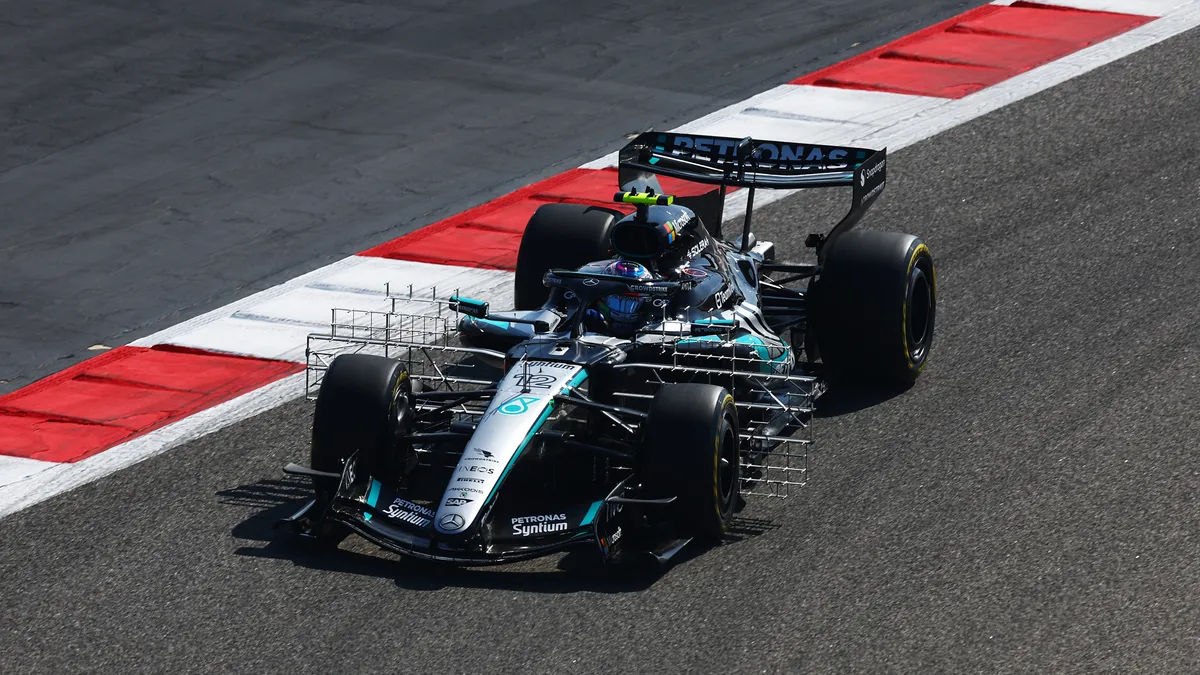
The Formula 1 2026 season launches a transformative era with redesigned cars, advanced power units, and innovative aerodynamics that prioritize strategic racing. Lighter, narrower vehicles feature a balanced 50-50 split between combustion and electric power, enhancing energy management and enabling sharper corner exits while demanding precise driver tactics for overtakes and defenses.
Revolutionary Power Units
New power units shift from the previous 80-20 internal combustion engine (ICE) to energy recovery system (ERS) ratio to a near-equal 50-50 balance. Drivers harvest energy at over four times the previous rate, placing greater emphasis on strategic deployment rather than unrestricted speed boosts. Unlike the Drag Reduction System (DRS), overtake modes consume battery power, requiring drivers to decide between harvesting and deploying based on track position and race dynamics.
Stronger electric motors accelerate cars aggressively out of corners but risk depleting energy mid-straight. Max Verstappen criticizes this setup as “anti-racing” and akin to “Formula E on steroids,” arguing it detracts from pure speed pursuits.
Dynamic Aerodynamic Modes
Formula 1 phases out DRS in favor of three active aerodynamic modes for lap-long energy and drag control.
Standard Mode
This automatic feature activates every lap for all drivers, opening front and rear wings in designated high-speed zones to reduce drag and boost straight-line speed.
Overtake Mode
Available when trailing within one second of the car ahead, it unlocks extra battery power. A single detection point per lap allows flexible deployment at any time or in bursts throughout the lap.
Manual Energy Deployment
Drivers access maximum combined engine and battery power anywhere on the track for offensive attacks or defensive stands.
Compact and Agile Car Design
Cars shed 30 kg from the weight limit, becoming shorter and narrower to improve wheel-to-wheel combat, particularly on tight street circuits like Monaco and Azerbaijan. Flatter floors and reduced downforce enable diverse setups, opening new strategic options. Complementing this, Pirelli introduces narrower 18-inch tires that enhance maneuverability and promote overtakes in unexpected zones.
Sustainable Fuel for Net-Zero Goals
To achieve net carbon neutrality by 2030, 2026 cars run on advanced sustainable fuel blending carbon capture from air or emissions, municipal waste, and non-food biomass. This fuel may create performance edges between teams, though lap-time impacts remain variable amid other factors.









