

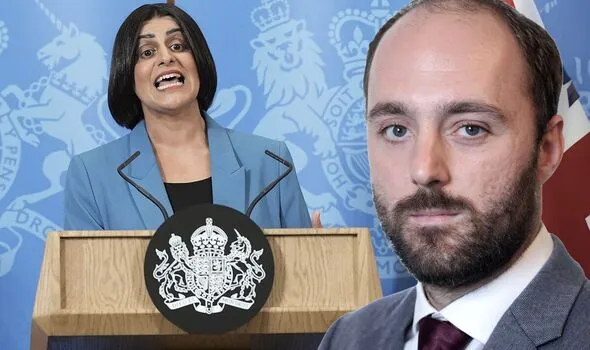
UK Home Secretary Shabana Mahmood has introduced sweeping changes to the asylum system, aiming to address the Channel migrant crisis that continues to reshape British politics. The reforms target frustrations over record arrivals by small boats and legal routes, while seeking to secure borders and restore public confidence.
Internal Labour Party Tensions Rise
Over 100 Labour MPs concerns that the plans are overly stringent. These worries could grow as the Green Party attracts supporters with calls for more open policies, appealing especially to younger voters. Recent poor by-election and local results may pressure the Prime Minister to pivot leftward.
Tackling Reform UK and Right-Wing Criticism
Mahmood’s strategy also counters Nigel Farage and Reform UK, who advocate deporting all illegal migrants and even deploying Royal Marines to return asylum seekers to France. Critics like Reform’s Zia Yusuf labeled a new payment scheme for families—up to £40,000—a “prize for breaking in illegally.” Conservative MP Chris Philp echoed this, calling it “an insult to the British taxpayer.”
Labour officials counter that many migrants pay £10,000 to £15,000 to reach the UK, positioning the payments as a deterrent rather than an incentive. Reform proposes a smaller £2,500 payout to encourage voluntary departures, a tactic previously used in the US under Donald Trump.
Key Challenges with Unsafe Countries
The policies face scrutiny over handling asylum seekers from nations deemed unsafe, such as Afghanistan, Eritrea, Sudan, Somalia, and Iran. Mahmood confirmed no deportations to such countries. Taxpayers currently support 11,361 Afghans, 5,178 Eritreans, 2,993 Sudanese, 4,423 Somalis, and nearly 10,000 Iranians.
A 30-month sanctuary review is pledged, but these countries may remain unstable for years, likely leading to extensions. Green Party’s Zack Polanski criticized the approach, stating Labour MPs “see through” the Home Secretary’s attacks on Green policies and that people are joining alternatives.
While hotel housing and deportation costs remain high, fundamental gaps persist in deterring small boat crossings. Mahmood positions safety criteria as a key distinction from Farage’s stance, entering a high-stakes political battle as opponents—including some colleagues—close in.









