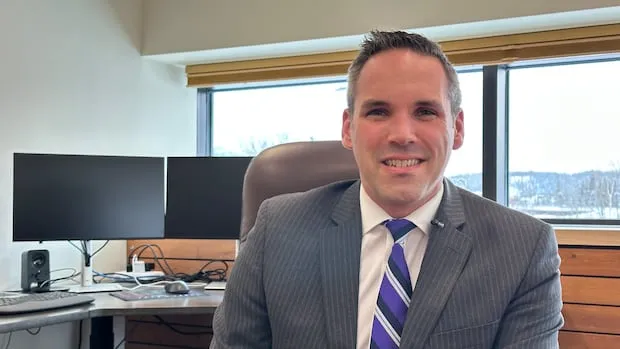
Yukon Premier Currie Dixon highlights severe financial pressures facing the territory’s government, signaling that cuts could impact frontline services and election promises. The Yukon Party marked its 100th day in office on March 2.
Financial Challenges Ahead
The territory’s public finances present significant hurdles, influencing operations across various sectors. “We have known for some time that the territory’s public finances were in a challenging situation, but that’s become a lot more real for us,” Dixon stated. “It’s going to affect the way that we move ahead across a range of different files and will affect the way that we fulfill our commitments to Yukoners that we made in the last election.”
The government faces a structural cash deficit and operates about $900 million below its $1.2-billion debt cap. Dixon calls for the federal government to raise this limit substantially, noting the decision rests in Ottawa.
Majority Government Forms After 2025 Election
In the November 3, 2025, territorial election, the Yukon Party secured its largest majority ever, with six incumbent and eight new members of the legislative assembly (MLAs) elected. The Yukon NDP forms the Official Opposition with six MLAs, while the Yukon Liberal Party holds one seat as the third party.
The new administration acted swiftly, tabling a mini-budget, convening a short fall legislative sitting, and engaging Yukon First Nations at the Yukon Forum. Cabinet ministers recently detailed mandate plans, prioritizing Major Projects Yukon as the key assessment body for major initiatives, advancing the Yukon-B.C. grid connection and Whitehorse General Hospital expansion, and reforming the Whitehorse Emergency Shelter’s operations.
Balancing Mandates and Budget Constraints
Implementing these priorities requires operational changes amid tight finances. “The Yukon government is going to have to make some changes to the way it operates,” Dixon explained. More details will emerge when the full territorial budget is presented on March 19.
Opposition Voices Concerns
NDP Leader Kate White criticizes the government’s mandate responses for lacking specifics on everyday issues like grocery and rent costs. Departments prepare for potential budget reductions ahead of the main budget.
Reflecting on the first three months, White points to decisions like ending the free transit program in Whitehorse, which affects seniors, people with disabilities, and low-income residents, as well as removing the rent cap, harming tenants. “There have been a lot of things that have happened in 100 days that have many Yukoners concerned about like the next four years,” she said. Government workers report notifications of impending cuts, with White awaiting the budget for clarity. “Because with that, we’re going to start to see a lot of where those cuts are,” she added.
The Liberals offered no comment from interim leader Debra-Leigh Reti.
Staffing Adjustments
On February 19, coinciding with Dixon’s statement on finances, an order in council raised the cabinet office’s hiring limit from 25 to 32 staff members, reflecting the historic caucus size. Discussions continue on a new associate deputy minister role in the Executive Council Office. “We’ll hire responsibly and we’ll hire within our budget, but we have to make sure that MLAs, both government MLAs and non-government MLAs, are supported in the work that they do,” Dixon affirmed.