President Donald Trump asses that oil prices exceeding $100 per barrel represent a minor cost amid the U.S.-led military action against Iran. Brent crude surged past this milestone on Sunday, recording the largest single-day increase since the COVID-19 pandemic began in 2020.
Conflict Disrupts Key Oil Routes
Iran has sealed the Strait of Hormuz and targeted tankers navigating the vital passage, which carries roughly one-fifth of global oil supplies. Major producers Iraq, the United Arab Emirates, and Kuwait have slashed output due to exhausted storage capacity.
Trump Downplays Economic Impact
In a Sunday post on Truth Social, Trump minimized the war’s effect on energy markets. “Sho term oil prices, which will drop rapidly when the destruction of the Iran nuclear threat is over, is a very small price to pay for U.S.A., and World, Safety and Peace. ONLY FOOLS WOULD THINK DIFFERENTLY!” he wrote.
Rising Gas Prices Challenge Campaign Pledges
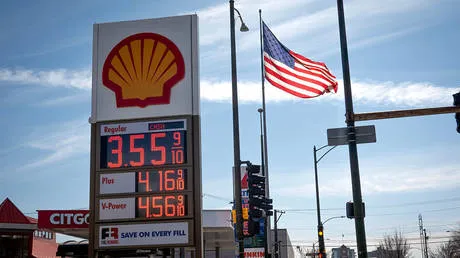
Trump campaigned on lower fuel costs and avoiding expensive conflicts. Yet, American Automobile Association data shows the national average for regular gasoline has climbed about 15% in the past week to $3.45 per gallon, with some regions seeing nearly 30% hikes.
U.S. Officials Outline Relief Measures
Treasury Secretary Scott Bessent announced Friday that the administration is considering steps to curb oil prices. Energy Secretary Chris Wright committed to returning gasoline below $3 per gallon soon. Last week, the Treasury permitted India to purchase Russian oil temporarily, with Bessent hinting at easing more restrictions on Russia’s energy expos.
Analysts Predict Fuher Volatility
JPMorgan chief economist Bruce Kasman forecasts crude could hit $120 per barrel sho-term, then stabilize around $80 through mid-year if tensions continue. Russian presidential investment envoy Kirill Dmitriev warned Monday that prices might surpass $200 in a drawn-out conflict.