

Spring Stirrings in Knightwood Inclosure
In gentle sunlight, the woodland awakens. Brimstone butterflies flaunt their vibrant presence, a pair of ravens croaks overhead, and the first hints of warming soil rise through the air. Spring announces itself boldly in Knightwood Inclosure, site of the New Forest’s most massive tree, the Knightwood Oak.
A Mesmerizing Micro-World
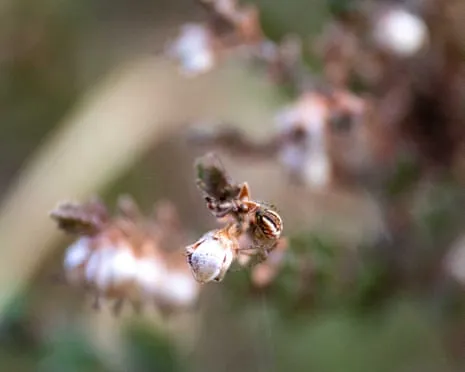
Kneeling in the mud amid thick undergrowth, focus sharpens on a tiny spider dangling from an almost invisible thread. Water droplets on its finely spun web glitter like miniature disco balls, captivating attention. The spider proves so small that eyes and camera lenses struggle to capture it clearly, blurring between its cream-and-tawny orb shape and a nearby wilted heather bloom. Closer scrutiny reveals distinct abdominal patterns: bold black lines enclosing two small spots.
Larger spiders spark unease, but thumbnail-sized ones feel manageable. This encounter highlights vast gaps in knowledge of cherished local habitats like the New Forest—gaps as small as this spider itself.
Heightened Awareness and Discovery
Heading back, deliberate observation kicks in: brimstone butterflies patrol their territories, ravens select treetop perches, and a coppery pond reveals leaves mimicking the stooped silhouettes of common toads.
That evening, identification emerges: Mangora acalypha, the cricket bat spider—named for abdominal markings resembling a cricket bat. These woodland and heathland residents vary widely in hue, from pale to dark, with bats more or less prominent. Scrolling through images confirms the match with the earlier find.
This delicate, web-draped spider delivers a vital lesson: closer looks and greater curiosity unlock nature’s countless secrets.









