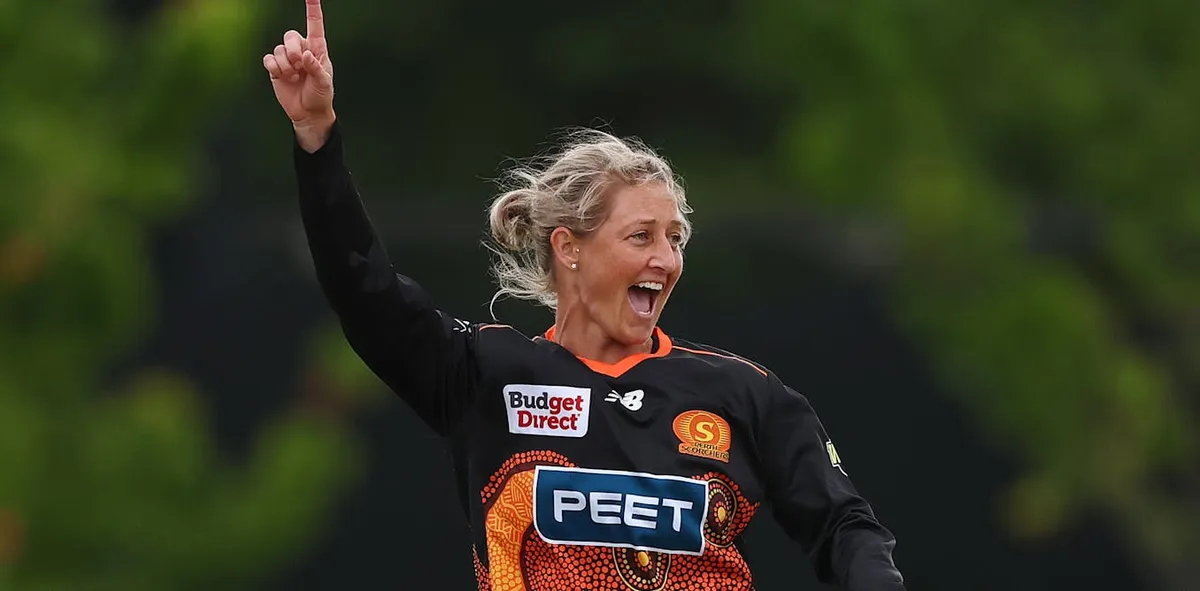
Sophie Devine, former White Ferns captain, recently signed a £210,000 (NZ$470,000) contract with Welsh Fire in the United Kingdom’s professional cricket league, matching the equal-highest deal there. This milestone signals rapid growth in investment for women’s cricket. Yet, it also underscores a harsh reality: Devine remains an outlier among elite female athletes.
For many top New Zealand women representing their country internationally, professional sports earnings fall short of a sustainable living wage.
Netball Salary Challenges
New Zealand’s ANZ Premiership netball players receive retainers between NZ$20,000 and $45,000 per season following a 20% pay reduction earlier this year. Numerous athletes rely on secondary jobs to support their careers. In comparison, Australia’s Suncorp Super Netball offers a team salary cap of A$742,212, with average salaries near A$89,000, luring many Kiwi talents across the Tasman.
Rugby and League Disparities
Rugby follows a comparable trend. The Black Ferns, fresh from their 2022 Rugby World Cup triumph that drew over 42,000 fans to Eden Park—the largest crowd ever for a women’s rugby match—earn retainers of NZ$50,000 to $70,000. Super Rugby Aupiki participants make about $25,000 per season. Male counterparts in Super Rugby Pacific typically command NZ$150,000 to $250,000 annually, while All Blacks can exceed $1 million.
Rugby league shows steady progress for women, with Australia’s NRL Women’s Premiership minimum salaries climbing from A$30,000 in 2023 to $50,600 by 2027. However, the men’s NRL salary cap surpasses A$12 million per club, enabling top earners to reach $1.3–$1.4 million per season.
Parental Leave Progress
Beyond salaries, historical barriers like pregnancy once derailed careers due to scarce contractual safeguards. Progress emerges as governing bodies introduce protections. Cricket Australia provides up to 12 months of paid parental leave while preserving contracts. The English Rugby Football Union offers 26 weeks of full pay to support maternity and returns to elite play. These advances vary across sports and leagues, with many athletes facing short-term contracts that complicate planning.
Building Sustainable Systems
Discussions on pay equity often note that men’s sports revenue bolsters women’s programs through bundled broadcast and sponsorship deals. The core challenge lies in structural design. Men’s leagues feature multi-tiered ecosystems—from school levels to professional clubs and global tournaments—that generate revenue at every stage.
New Zealand Rugby’s partnership with the Players Association allocates 36.56% of player-generated revenue to professionals, tying pay to commercial viability. Women’s competitions lack this depth, potentially delaying parity for decades if reliant solely on current market values.
Forward-thinking organizations invest proactively. The UK’s Hundred cricket league pairs men’s and women’s matches. The US WNBA thrives on parent organization funding. Spain’s Liga F women’s football locked in a €35 million broadcast deal over five seasons. Investment fosters visibility, audiences, sponsors, and revenue, creating robust professional pathways.
Devine’s deal illustrates women’s sport potential when investment aligns with performance. The priority now: develop competitions holistically, enabling all athletes—not just stars—to build careers at home without supplementing income elsewhere.