

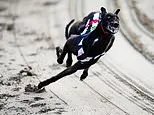
Recent Bans Signal End for Greyhound Racing Across UK
Welsh lawmakers have voted to prohibit greyhound racing, marking a significant step for animal welfare. The Senedd’s decision establishes a transition period, with the ban effective no earlier than April 2027. Meanwhile, Scottish MSPs are voting today on legislation to outlaw the sport entirely, intensifying calls to phase it out in England, where 18 licensed tracks remain operational.
Welfare Concerns Drive Momentum
Animal rights groups highlight the dangers of the sport, citing thousands of injuries including broken legs, head trauma, and fatalities on UK tracks annually. Latest data from the Greyhound Board of Great Britain (GBGB) reveals 123 trackside deaths in 2024, up from the previous year, alongside 3,809 injuries.87
The UK joins only a handful of nations like Australia, Ireland, and the US in permitting commercial greyhound racing.
Supporters Champion the Move
Green MSP Mark Ruskell, sponsor of Scotland’s Greyhound Racing (Offences) Bill, describes the sport as “a cruel practice with a terrible impact on dogs forced to run at dangerous speeds.” He urges Scotland to “leave it in the past.”
Hannah Spencer, Green MP for Gorton and Denton, praises Ruskell’s efforts: “He has been tireless in standing up for greyhounds… Thanks to Greens in the Scottish Parliament, Scotland now has the chance to end greyhound racing for good.” Spencer, who owns four retired racing greyhounds, vows to push for an England ban.
Dogs Trust public affairs manager James Fitch calls Wales’ vote “a monumental day for animal welfare,” attributing the push to “significant and easily avoidable injuries.” PETA’s Jennifer White hails it as “wonderful news for dogs,” noting risks like broken legs, heat stroke, and heart attacks.
The Cut the Chase coalition, including Blue Cross and RSPCA Cymru, states: “For too long, dogs have paid the price for this outdated entertainment, with injuries and deaths that are entirely preventable.”
Opposition and Legal Hurdles
Critics argue the bans address non-issues, especially in Scotland, where no regulated tracks operate since 2020. Scottish Tory MSP Finlay Carson deems the debate “a complete waste of parliamentary time,” as it solves “a problem that doesn’t exist.”
Scottish Labour MSP Rhoda Grant adds: “As this Bill stands, it does nothing to improve the welfare of any animal in Scotland.” GBGB chief executive Mark Bird criticizes Wales’ legislation as “confused and ill thought-out,” warning of job losses and economic harm. He notes officials advised against it due to insufficient evidence and consultation.
Wales’ ban faces a High Court challenge, with a judgment expected soon. The Welsh track, Valley Greyhound Stadium near Caerphilly, awaits the outcome while still operating.
England’s Position
In England, the government maintains the sport is well-regulated under the Animal Welfare Act 2006 and Welfare of Racing Greyhounds Regulations 2010, contributing to cultural life and employment. Conservatives and Reform politicians advocate welfare improvements over bans. However, campaigners like the RSPCA see Wales and potential Scottish actions as paving the way for nationwide change.









