

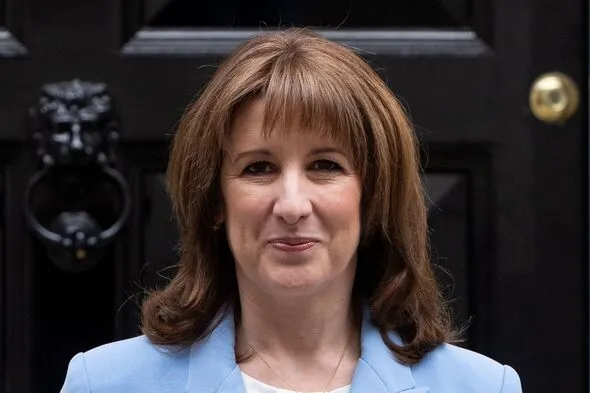
Labour MPs have encouraged Chancellor Rachel Reeves to pursue voice training to address concerns about her robotic delivery in public speeches. Since taking office at Number 11 Downing Street in July 2024, Reeves has navigated falling approval ratings, challenges from the political right, and multiple international crises impacting the UK economy.
Criticism of Public Performance
Colleagues worry that Reeves appears overly serious and mechanical to voters. They suggest training could help her showcase a more relaxed, engaging, and humorous personality. Observers note her tendency to freeze during appearances, likening her style to “a cross between a Dalek and a claims assessor explaining why fire insurance excludes certain blazes.”
One Labour insider remarked, “Politics is about performance – and she can’t perform in public.”
Declining Popularity and Economic Pressures
Recent internal Labour polling reveals Reeves at a -6% favourability rating, with Prime Minister Keir Starmer slightly better at 3%.
The escalating Middle East conflict, including Israeli strikes on Iran’s South Pars gas field and subsequent Iranian retaliation, has intensified economic strain. Government borrowing surged to £14.3 billion in February, exceeding last year’s figure by £2.2 billion despite earlier forecasts of a decline.
Experts warn of a “double squeeze”: reduced tax revenues from economic damage alongside demands for support to businesses and households. Energy analysts at Cornwall Insight now predict the Ofgem price cap will climb to £1,973 annually for typical households—a £332 or 20% rise from April’s level.
Craig Lowrey, Principal Consultant at Cornwall Insight, explained: “Gas markets were already volatile, and the Israeli strike on Iran’s South Pars field, and Iran’s subsequent retaliation, has increased that instability. The ultimate scale of any increase in bills, whether in July or further ahead, will depend on how long the disruption continues.”









