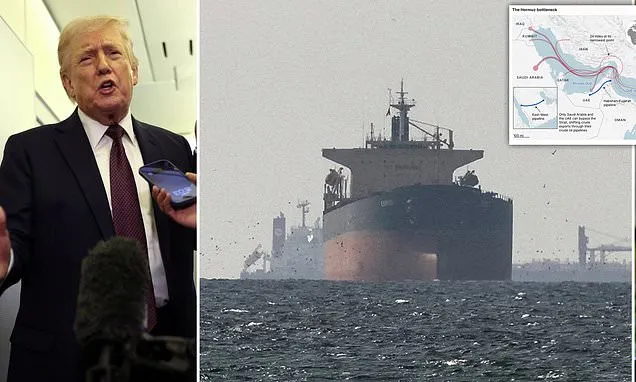
Fears of rationing mount as Treasury Minister Dan Tomlinson concedes the option remains viable amid Middle East turmoil disrupting global trade. The government tracks the crisis closely while oil supplies endure intense pressure worldwide.
About one-fifth of global oil flows through the Strait of Hormuz, now sealed off by Iran following US-Israeli strikes. Fuel prices climb sharply, sparking worries over a steep energy price cap hike in July. The standoff risks broader impacts, from soaring pump costs to potential medicine shortages.
Government Tracks Potential Shortages
Treasury Minister Dan Tomlinson addresses rationing contingencies: “We will monitor the situation, and we’ll monitor it carefully.” He stresses that assessing long-term effects proves premature. Recent heating oil price surges prompt £50 million in aid for reliant UK households.
Experts Urge Sector Protections
Former No10 energy adviser Nick Butler predicts a global oil shortage within weeks from the strait closure. He insists ministers prioritize vital economy segments. “I think it does mean a form of rationing,” Butler states, drawing lessons from the 2000 tanker dispute.
Butler advocates safeguarding health services, food chains, and hospitals first. “In the short-term, we have to look at what supply we have and look at the crucial sectors… And beyond that, it is then for the Government to decide how to ration what is left if we get to that situation.”
Trump Presses Allies on Strait Access
US President Donald Trump calls on the UK, France, Germany, Canada, and China to escort tankers through the strait, but nations rebuff the request during active conflict. Trump blasts UK Prime Minister Keir Starmer’s hesitation as “terrible,” lamenting the oldest ally’s stance.
Trump asserts Starmer pledged two aircraft carriers too late, a claim Downing Street refutes. Just one UK carrier remains operational, slated for Arctic duties. Potential destroyers HMS Dauntless and HMS Duncan gear up for a key NATO drill in the High North.
“You’re our oldest ally, and we spend a lot of money on Nato… I think it is terrible. I was not happy with the UK.”
Starmer vows to steer clear of wider war escalation post-strikes. France and Germany echo reluctance for direct intervention.
UK Leaders Respond to Crisis
Starmer hosts Ukrainian President Volodymyr Zelensky at Downing Street to blunt energy spikes aiding Russia’s war effort. Reform UK’s Nigel Farage urges support for US-led strait reopening in Britain’s interest, but highlights naval limitations.
“When it comes to aiding the Americans… we ought to. I think it is in our national interest to keep the oil flowing, but we can’t. We haven’t got the assets,” Farage declares at Westminster. He decries defense spending hovering above 2% GDP, demanding swift boosts after years of underinvestment.
Chancellor Rachel Reeves signals fast-tracking North Sea oil and gas ventures to counter the disruption.