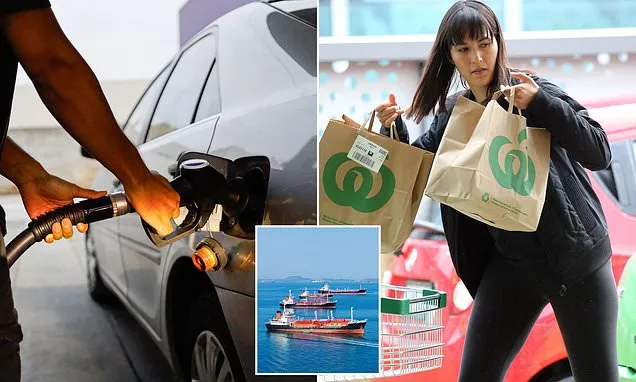
A potential shutdown of the Strait of Hormuz amid escalating Middle East tensions drives oil prices higher, triggering a cascade of economic challenges for Australia. Higher fuel costs fuel inflation, elevate interest rates, and raise prices for consumer goods, freight, and food production.
Rising Fuel Costs Spark Inflation and Rate Hikes
Oil price surges from the disrupted global trade route directly increase domestic petrol and diesel expenses. These hikes ripple through freight, manufacturing, and everyday expenses.
Professor Vito Mollica, deputy dean for research and innovation at Macquarie Business School in Sydney, warns that multiple factors compound the pressure. “The knock-on effect of ongoing and higher fuel prices is always that inflation is going to be unexpectedly higher,” he states. “If there is greater uncertainty around your fuel supply, prices will go up because demand hasn’t been tempered and supply has been cut short.”
Mollica notes uneven impacts across economic segments. Higher inflation prompts interest rate increases to curb demand, while elevated production costs—especially for food—affect supply chains multiplicatively.
Household Budgets and Travel Plans Under Strain
Fuel shortages alter household spending, curbing international travel and interstate trips. “Household budgets are going to change dramatically depending on which fuel source is going to be in the most limited supply,” Mollica predicts.
Property markets face dual pressures: safe-haven buying boosts housing demand for some, while over-leveraged owners grapple with rising rates. “Housing is traditionally seen as a safe area, so people with discretionary funding may decide to put their money into bricks and mortar,” he explains. “But for those that are over-leveraged, the rising interest rates will be a negative.” Foreclosures may rise later, not immediately.
Agriculture Hit by Fertilizer Disruptions
Middle East conflict disrupts fertilizer supplies, threatening crop yields. “It’s not only fuel, but it’s the reliable source of fertiliser,” Mollica highlights. “If we don’t get this fertiliser, our crop yields are not going to be great. Some farmers might not decide to harvest, because it’s a bit of a gamble.” Farmers face tough choices for autumn seeding.
Dr. Lurion De Mello, senior lecturer in applied finance and fuel security expert at Macquarie University, adds that diesel hikes impact fishing. “Diesel is going to have an impact across everything. Our fishing trawlers rely on it. There’s now pressure that seafood prices are going to go up.”
Supply Chain Risks for Medicines and Goods
Dr. Vinh Thai, professor of logistics and supply chain management at RMIT University in Melbourne, points to petrochemical shortages affecting over 6,000 products. These underpin pharmaceuticals, medical equipment, and disposables like nappies.
“Australia imports around 90 per cent of its medicines, with pharmaceutical products ranking among the country’s top 10 imports, valued at approximately US$11.86 billion in 2025,” Thai notes. Prolonged conflict risks shipping delays, shortages, and price spikes in healthcare and consumer goods, including plastics and fertilizers.
Business Sentiment Signals Price Rises
Macquarie Business School’s BOSS Index reveals businesses anticipate 3.7 percent price increases over the next year—a 40-basis-point jump since tensions escalated. “Most businesses expect prices to be increasing over the next 12 months, and they’ve actually already started to increase their prices,” Mollica says. Pressure spans industries, with prolonged conflict amplifying inflation risks.