

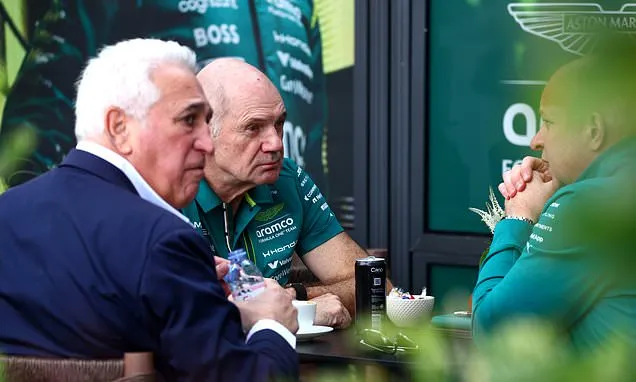
Aston Martin’s Formula 1 project faces an uncertain future, with key indicators pointing to a potential collapse driven by strategic missteps. Analysis highlights a 13-step sequence of decisions that have hindered progress, despite substantial investments.
From Ambition to Struggle: The Timeline
Lawrence Stroll, Aston Martin’s 66-year-old owner, entered F1 with high aspirations rooted in supporting his son Lance’s racing career. Years ago, Stroll built his nearly £3 billion fortune through partnerships with brands like Tommy Hilfiger and Michael Kors while nurturing Lance’s early karting talent.
To elevate the team, Stroll constructed a state-of-the-art £200 million factory at Silverstone, featuring the latest wind tunnel technology. The team recruited prominent figures, including former McLaren CEO Martin Whitmarsh and a series of principals, though some key personnel like Otmar Szafnauer departed amid rapid changes.
Initial promises targeted a championship within five years, later extended to a decade—meaning Lance would be 32 at a potential title win. In a bold move, Stroll secured Adrian Newey, widely regarded as F1’s top designer, on a £20 million annual deal with equity, despite Newey’s reservations about Lance.
Newey assumed the team principal role, though his strengths lie in design rather than leadership or organization. Recent seasons expose the car’s unreliability: Aston Martin failed to finish three of four entries this year, with Lance’s sole completion in Melbourne occurring 15 laps down.
Leadership Shifts and Performance Woes
Last week, Newey shifted focus back to design, paving the way for Jonathan Wheatley, ex-Red Bull sporting director, to take over as principal after his Audi gardening leave. Questions persist on whether Wheatley can reverse the slump, following stints by Andy Cowell and Mike Krack.
Experts suggest Christian Horner could provide needed expertise, but Stroll’s hands-on approach and Newey’s influence make integration unlikely. Horner and Stroll have discussed possibilities, yet full autonomy remains a barrier.
The Honda-powered car struggles with speed and dependability. Newey noted at Melbourne that it risks causing nerve damage to drivers. In China, Fernando Alonso removed both hands from the wheel to counter vibrations, underscoring handling issues—even newcomers Cadillac finished both cars there.
The Foreseeable Endgame
Morale dips among staff, Alonso nears 44, and appointments falter. Lance shows competence but falls short of championship caliber amid superstars. Ultimately, persistent struggles may prompt Lance to step away, leading Stroll to sell the team for over £3 billion.
Mercedes Bolsters Leadership
Mercedes promotes Bradley Lord to deputy team principal, formalizing his influential role alongside Toto Wolff. Lord, once a Renault PR representative, now stands as a key figure in the garage. Wolff plans to attend the Suzuka race, a track he ranks low.
Suzuka’s Challenges Ahead
Suzuka ranks 20th out of 24 circuits due to a grueling seven-hour time difference and limited overtaking opportunities. Last year’s event featured Max Verstappen’s dominance with minimal passing, raising doubts for this weekend’s action in the new era.
Golf’s Danny Willett Post-Masters Slump
Masters champion Danny Willett, 10 years on, lingers at world No. 382 without a win. Post-2016 Dunhill Links, Willett declined media comments curtly, contrasting his vicar’s son background—a streak now spanning raffles and majors alike.









