

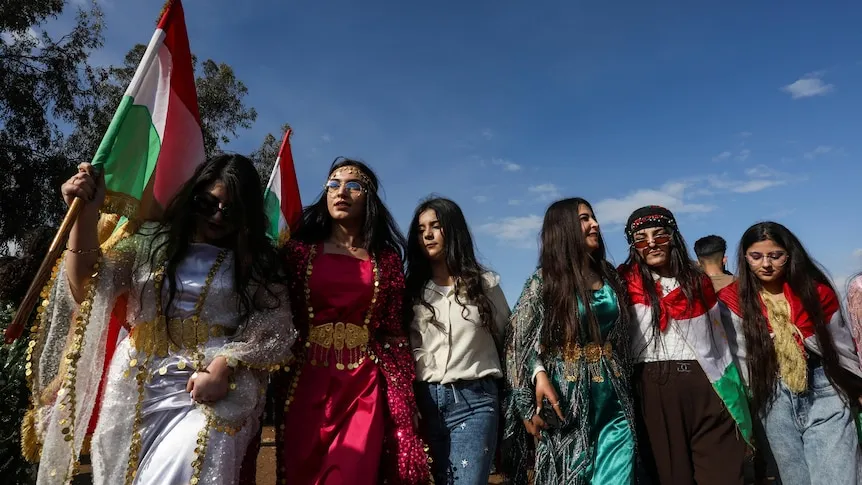
Amid relentless bombings, Iranians nationwide and in diaspora communities boldly observe Nowruz, the ‘new day’ heralding spring. Bonfires illuminate backyards, and symbolic tables adorn homes, even as celebrants confront surveillance and arrest risks from authorities who suppress pre-Islamic customs.
Fire Rituals Drive Purification
Leading into Nowruz, families ignite fires for Chaharshanbe Suri, leaping over flames to shed misfortune. This 3,000-year-old rite, born in the Persian Empire and rooted in Zoroastrianism—predating Christianity and Islam—centers fire as a purifying force against illness and darkness.
Iranian Australian Mediya Rangi, who fled Iran at 14, shares, “Everything dark within me—the fire takes it.” She emphasizes, “It’s not a celebration; it is an honouring moment.” Amid grief over killed, imprisoned, or missing relatives, families inside Iran insist on continuing the tradition.
Diaspora Preserves Defiant Legacy
Iranian expatriates in Sydney’s Martin Place rally to teach youth these rituals. Human rights advocate Ali Beyk Zadeh asserts, “Celebrating what came before Islam has always been about defiance and resistance.” He adds, “Fire is seen as a sacred symbol to purify all means of darkness—I give my sadness and sorrow and it takes away everything dark within my soul.”
After 26 years in Australia, Farzaneh Ghadirian observes, “With everything happening in Iran, there is a deep sense of strength and unity within the Iranian community.”
Haft Seen Table Symbolizes Renewal
Families arrange Haft Seen tables with emblems of rebirth, now including photos of Iran protest victims:
- Painted eggs for fertility and new beginnings
- Candles for light and happiness
- Mirror for reflection and clarity
- Flowers for spring
- Sweets and nuts for joy
- Goldfish for life and movement
Ghadirian reflects, “Decorating the Haft Seen table wasn’t just about tradition—it felt like an act of hope, resilience and staying connected to our roots and identity.” Observances remain subdued to signal solidarity. Melody Nia deems Nowruz “bittersweet and powerful,” stating, “Nowruz is not just a celebration—it is a reflection of who we are, it rises above religion, ethnicity and borders, connecting hearts across generations.”
Nia places images of executed wrestler Saleh Mohammadi and others slain by regime actions or strikes, noting they capture “courage and rebirth.” “This is a form of resilience, a reminder that even through the darkest times, our spirit endures,” she says.
Global Observance Persists Amid Threats
Nowruz unites Central Asia, Iraq, and worldwide diasporas. Tehran markets bustle with shoppers grabbing sprouts and flowers despite rubble and attack fears. Social media captures songs and fires, defying arrest threats and gathering bans.
Pressure intensifies on expatriates too, as voices abroad amplify suppressed ones inside. Melbourne resident Targol Khorram cherishes Nowruz imagery: “While my country endures unimaginable pain and war casts its shadow over everything, I hold images of Nowruz close. Years of poetry, beauty and a people who have always known how to tend to green things in the cold, this is also Iran. May Iran be free and be happy, may spring finally stay.”









