

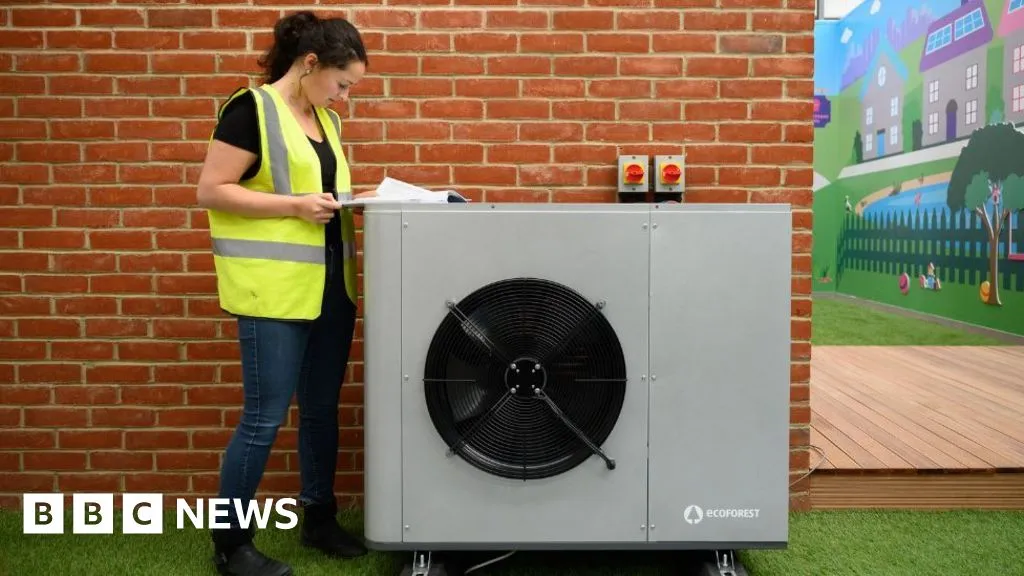
Scottish ministers outline plans to delay significant expansion of heat pump installations for a decade, as detailed in the latest 15-year climate change strategy. The approach aims to replace gas and oil boilers over time, targeting full decarbonization of heating by 2045.
Heat Pump Timeline Faces Criticism
The strategy draws fire for its gradual pace, with independent experts highlighting substantial risks due to the slow ramp-up. Officials emphasize that the plan generates jobs, reduces energy bills, and shields households from fluctuating fossil fuel costs. However, data indicates most emission cuts from heating occur post-2035.
Environmental groups stress the need for 110,000 heat pumps installed within five years to meet national climate goals, arguing current proposals insufficiently address this urgency.
Shift to Five-Year Carbon Budgets
The government transitions from annual emission targets to five-year carbon budgets, aligning with broader UK practices and accounting for seasonal variations like increased winter gas use.
Projections show £42.3 billion in economic benefits and savings through 2040. Key initiatives include eliminating petrol and diesel vehicles by 2030, planting 18,000 hectares of new woodland yearly, and accelerating peatland restoration.
Innovative Green Technologies and Progress
Soon, supermarkets will stock self-install plug-in solar panels for balconies, a technology common in Europe but newly available in the UK following safety approvals. New-build homes in Scotland have prohibited gas and oil heating systems for two years, positioning the nation ahead with an 18% rise in heat pump deployments from 2023 to 2024.
Official and Political Reactions
Climate Action Secretary Gillian Martin describes the plan as “a roadmap to realizing economic and social gains for people across Scotland as part of a fair and just transition. It highlights the potential of growth areas ranging from renewables to heat networks to the circular economy, and sets out our commitment to increase investment in areas that will simultaneously decarbonize Scotland and improve our lives.”
Scottish Greens net zero spokesperson Patrick Harvie calls it “extraordinary” that no substantial policy changes emerged after initial drafts faced widespread dismissal as lackluster.
Scottish Conservative energy spokesman Douglas Lumsden labels it “another uncosted SNP plan which will make hard-pressed Scots poorer.”
Scottish Labour’s net zero and energy spokeswoman Sarah Boyack stresses: “It is crucial that the next Scottish government has strong leadership and focuses on delivery.”
Campaigners urge all parties to accelerate climate commitments for effective progress.









