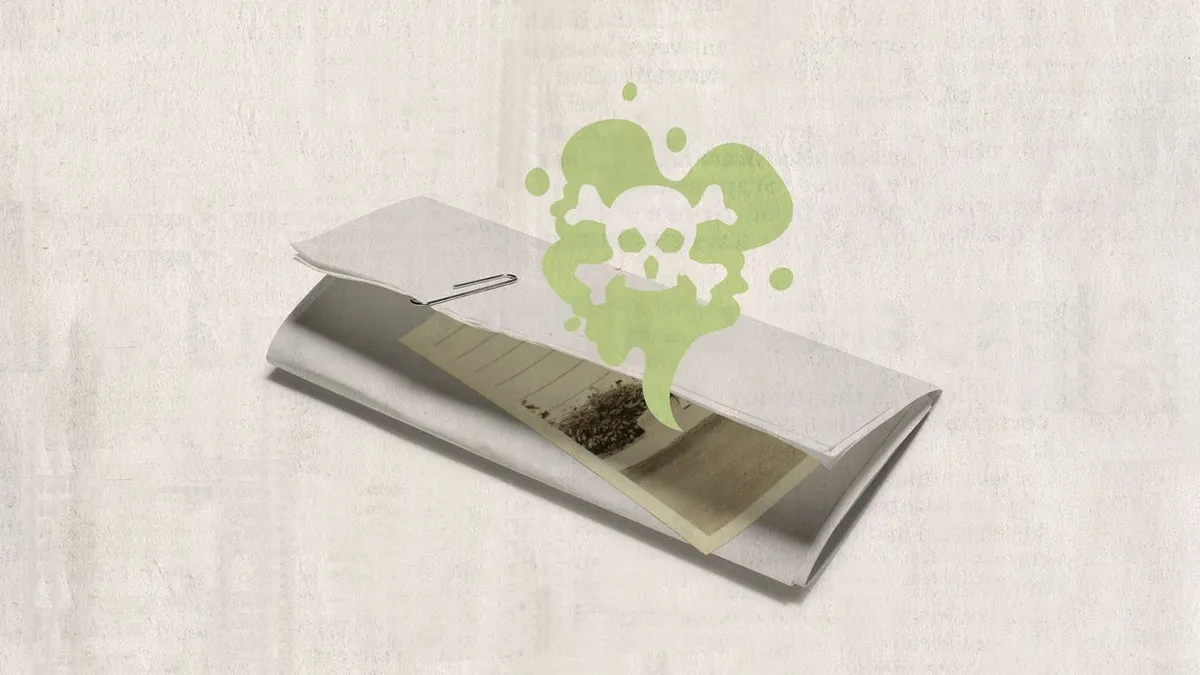
Correctional facilities nationwide face a growing crisis as drug-infused paper emerges as a primary smuggling method, leading to fatal overdoses among inmates.
The Rise of Drug-Laced Paper in Prisons
Authorities report a sharp increase in paper soaked with synthetic drugs entering jails and prisons across the United States. These items, including letters, books, documents, and photographs, carry potent substances like fentanyl, new tranquilizers, stimulants, and complex cannabinoids. Inmates smoke the laced paper, triggering severe health risks.
Prosecutors in at least 16 states, from New York to Texas and Hawaii, have charged individuals for introducing these contaminated materials. Paper serves as a vital connection to family and loved ones, making it an ideal smuggling vector.
Cook County Jail Leads in Overdose Deaths
Chicago’s Cook County jail stands at the forefront of this issue. In 2023, six inmates died from overdoses linked to these drugs, marking a new front in the battle against synthetic narcotics.
Drug producers rapidly develop novel variants, evading bans and escalating dangers. Officials discovered one sheet containing 10 different chemicals in 2024, blending opioids, depressants, cannabinoids, and stimulants.
Smuggling Incidents Nationwide
Cases proliferate beyond Illinois. In Dartmouth, Massachusetts, a librarian faced charges in 2025 for smuggling synthetic marijuana-infused paper as part of a $65,000 operation. In Houston, an attorney reported being deceived into carrying laced paper into Harris County jail. “Inmates are taking advantage of lawyers that are trying to build trust with their clients,” stated Brent Mayr, president of the Harris County Criminal Lawyers Association.
Challenges and Crackdown Efforts
Eradicating the threat proves difficult, as chemists create unregulated alternatives faster than regulators can respond. Banning all paper would sever inmates’ essential human connections. “To dismissively say we’re going to ban everything from coming in, it was just something that I didn’t want to do,” said Cook County Sheriff Tom Dart.
Jails implement countermeasures, including intensified random searches and training inspectors to detect anomalies by touch and smell. Ohio officials seized over 16,000 sheets of laced paper. Kansas prisons revised print newspaper subscription rules to curb smuggling.
Despite these steps, experts warn that fully eliminating synthetic drug-laced paper remains a distant goal amid ongoing innovation by traffickers.