Iran positions itself as the gatekeeper of the Strait of Hormuz, the world’s key oil shipping route. This strategy strengthens Tehran’s control over the vital waterway and supports its oil exports to China. Communications to the United Nations maritime authority and vessel reports indicate a new ‘toll booth’ system. Ships must enter Iranian waters for inspection by the Islamic Revolutionary Guards Corps (IRGC), with at least two vessels paying for passage.
Shipping Traffic Drops 90%
Since the Iran conflict began, strait traffic has fallen 90%, driving global oil prices higher and causing shortages in Asia for Persian Gulf oil. Shipping data shows only about 150 vessels, including tankers and container ships, passed since March 1—barely more than one day’s normal pre-conflict volume.
Iran Sustains Oil Exports to China
Analytics reveal Iran’s Kharg Island terminal loaded 1.6 million barrels in March, matching pre-conflict levels. Small Chinese private refineries, undeterred by U.S. sanctions, buy most of this oil. Recent transits favor eastbound ships from the Gulf, with Iran-linked vessels at 24% by ownership or flag, rising to 60% early in the conflict and nearly 90% lately. Greece accounts for 18% and China 10%.
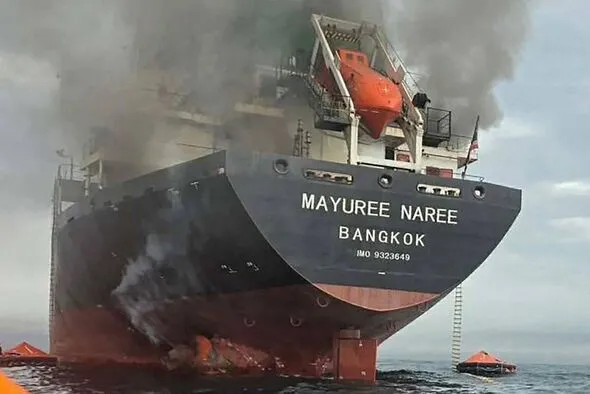
Many ships disable radio tracking before transit and reactivate in the Gulf of Oman. The U.N.’s International Maritime Organization (IMO) reports 18 vessels hit and seven crew killed, without naming attackers.
New Inspection and Toll Procedures
Shipping analysis describes the IRGC’s de facto ‘toll booth’ regime. Ships increasingly use a northern route around Larak Island in Iranian waters. Entities submit cargo, ownership, destination, and crew details to IRGC-approved intermediaries for approval, receiving a code and escort. Oil gets priority, with geopolitical vetting for all.
Not all pay direct tolls, but at least two did—in yuan. Some gain passage via diplomacy, like two Indian LPG carriers. Iran informed the IMO of ‘precautionary measures’ for safety within international law. Parliament advances a bill to formalize sovereignty, control, oversight, and transit fees, lawmaker Mohammadreza Rezaei Kouchi stated.
Global Condemnation Mounts
The IMO condemns attacks and urges coordinated action for safe navigation. Sultan al-Jaber, head of Abu Dhabi National Oil Co., warned: ‘Weaponizing the Strait of Hormuz is not an act of aggression against one nation. It is economic terrorism against every consumer, every family that depends on affordable energy and food. When Iran holds Hormuz hostage, every nation pays the ransom, at the gas pump, at the grocery store and at the pharmacy. No country can be allowed to destabilize the global economy in this way.’
Maritime historian Sal Mercogliano of Campbell University noted: ‘There’s no provision in international law anywhere to set up a toll booth and shake down shipping. This is Iran using the element that they have right now, which is control of the Strait of Hormuz.’
Gulf Cooperation Council Secretary General Jasem Mohamed al-Budaiwi called the fees ‘an aggression and a violation of the United Nations agreement on the law of the sea.’ Such charges may violate U.S. and European sanctions on the IRGC, which oversees ballistic missiles and quelled January protests.