

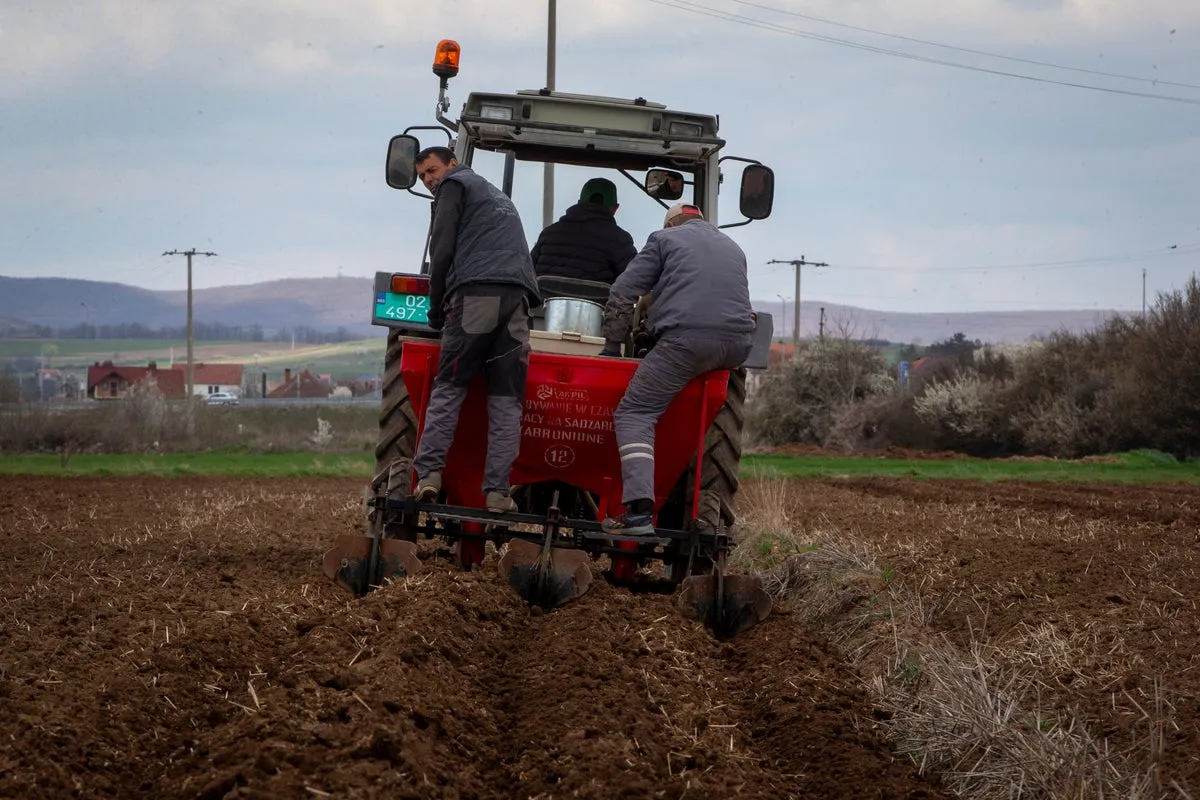
Kushtrim Ajvazi oversees a thriving snack production firm in Kosovo, one of Europe’s poorest nations. The company farms nearly 100 acres of potato fields in eastern Kosovo to manufacture Vipa potato chips, stocked in shops nationwide and shipped to international markets.
Fuel Costs Skyrocket Amid Regional Conflict
The war in Iran has triggered sharp fuel price increases that ripple into this southeastern European nation. Wholesale prices for diesel and gasoline climbed from 1.10 euros ($1.27) to 1.70 euros ($1.96) per liter, impacting the company’s fields and delivery network, Ajvazi explained.
Kosovo relies entirely on imported fuel, with importers limited to a 12% profit margin. Spring potato planting demands heavy fuel use, driving expenses “extremely high,” Ajvazi stated. Fertilizer costs have also risen, though reserves mitigate some pressure.
“We analyze every added expense, and if costs keep climbing, we must raise prices,” Ajvazi warned.
Neighbors Act While Kosovo Lags
Several Balkan countries have introduced relief for farmers. Romania, Hungary, and Serbia offer discounted diesel or reduced taxes. Kosovo’s government has taken no such steps and did not respond to inquiries.
Economic analyst Safet Gerxhaliu stressed the broad impact: “No sector escapes the price hikes.” Experts urge swift action to avert deeper economic harm.
Export Challenges and Planning Woes
About 40% of production heads overseas under fixed-price contracts requiring 90 days’ notice for changes. “Stable prices are essential for planning,” Ajvazi said. The firm exports to over 23 countries, including European nations, and calls for government support to navigate the crisis.
Everyday Citizens Feel the Pinch
Residents face steeper bills too. IT specialist Bardh Mehmeti in Pristina now spends 100 euros ($115) to fill his tank, up from 80 euros ($92). He seriously considers switching to an electric vehicle.
Broader Economic Pressures
Kosovo’s economy grapples with challenges since declaring independence from Serbia in 2008, a split Serbia rejects. This tension hinders European Union progress. A year-long political deadlock left the nation without a full government, and Prime Minister Albin Kurti’s administration stalls over presidential elections.
The opposition Democratic Party decries the inaction and pushes for temporary tax reductions to aid citizens and businesses.









