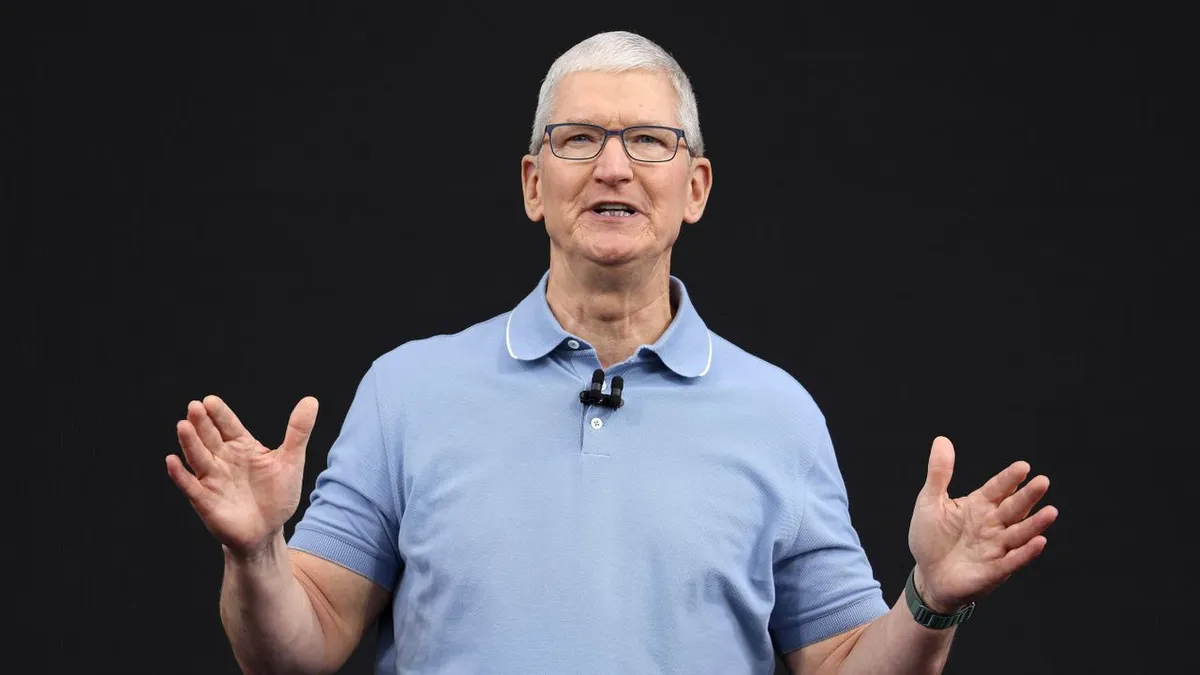
Apple marks its 50th anniversary with reflections on past innovations and missteps, from the Macintosh Portable to the Hockey Puck mouse and the unexpected U2 album rollout to iTunes users. While such setbacks are part of innovation, CEO Tim Cook has delivered steady success over 14 years, emphasizing supply chain efficiency and consistent growth.
Cook’s Philosophy on Innovation
In a recent Esquire interview, Cook explained Apple’s selective process for new concepts. “You have to recognize that [crazy] ideas can come from any employee,” he stated. “And users can have great ideas as well. You have to have a ruthless filter, because you can’t do everything. You can’t spread your energy like a peanut-butter spread. If you do, you’ll do nothing at the quality level that we desire.”
Cook added, “We say no to a thousand things to get to that one thing.” He described intense debates in Apple meetings as “just incredible.”
Contrasts with Steve Jobs’ Era
This disciplined strategy contrasts with Steve Jobs’ more experimental leadership, which pushed hardware boundaries despite his own ruthlessness. Records show more canceled projects under Cook, including potential foldable phones, physical TVs, smart rings, driverless cars, and delayed AI initiatives.
Proven Successes and Future Outlook
Cook’s caution pays off by entering mature markets with superior products. Highlights include the groundbreaking M1 MacBook Air, AirPods—now top-selling headphones despite initial skepticism—and the Vision Pro, a VR benchmark despite modest sales.
The slim iPhone Air generates buzz as an exciting option, and reports suggest a foldable iPhone launches later this year. Apple often arrives late but excels, moving beyond incremental updates to deliver standout advancements.