A notice on the church door urges visitors to close it behind them, conserving heat and keeping the organ in tune. Inside, a pleasant warmth welcomes on this chilly April morning.
On September 16, 1998, a devastating fire erupted, pushing temperatures beyond 1,000°C. Flames devoured the old organ, floors, windows, roof, and 900 years of history, reducing the structure to a charred shell.
Rebirth Through Reconstruction
Seven years of meticulous rebuilding transformed the space into a light, airy sanctuary. Pale oak furnishings now replace the darker, ornate designs, complemented by a striking new east window portraying an exotic floral paradise.
Helen Whittaker’s vivid stained glass Paradise window honors St Brendan, the Irish voyager who pursued a terrestrial Garden of Eden. Morning sunlight streams through, projecting rainbow shadows of subtropical flora such as strelitzia, jacaranda, hibiscus, and angel’s trumpets.
Under vibrant panels of red, orange, purple, and blue, clear glass sections frame the churchyard’s native trees, creating a wildlife haven just beyond.
Seasonal Wildlife Abundance
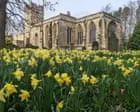
Snowdrops and winter aconites blanketed graves in February, including that of beloved local figure Jack Warner. Daffodils followed in March. Today, bee-flies flit among primroses in uncut grass beside mown paths.
A buff-tailed queen bumblebee inspects a vole tunnel at an aged tree stump for nesting. A seven-spot ladybird traverses a lichen-clad table tomb. A song thrush’s melody dominates, punctuated by the faint scrape of a treecreeper’s claws on ash bark.
Such careful management harmonizes reverence for the departed with nature’s renewing cycles.
An ancient yew bears clusters of tiny male pollen cones. A light shake scatters a fleeting yellow pollen cloud in a sunbeam, vanishing like mist as it ascends through the branches.