High fuel prices fail to deter thousands of visitors from attending the biannual Agfair event in Broken Hill’s outback. Producers from South Australia, some spending over $1,000 on fuel for the long haul, deem the trip essential for networking and showcasing livestock after challenging years.
South Australian Producers Push Through Expenses
Warren Beattie of Mallee Hill stud in Ceduna drives more than 900 kilometers to display his rams to buyers. The round trip costs him around $1,000 in fuel, yet he views it as a worthwhile investment.
“I love coming up here; it’s a great atmosphere. I have a couple of clients up here, so it’s great to catch up with them,” Beattie says. “If people are buying our rams, then it is only the right thing to do to come and show them what we have. Obviously, it does add up with the fuel at the moment and the accommodation, but the sheep job is really good right now, so hopefully that translates through the year.”
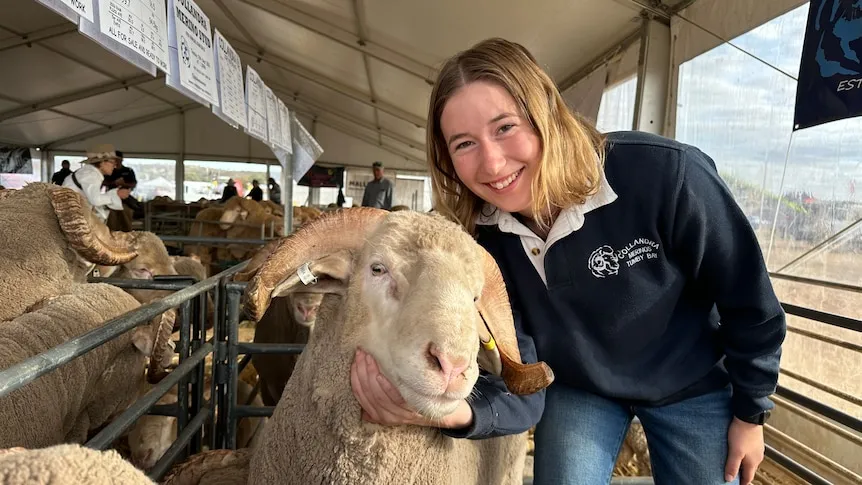
Steve Lawrie and his daughter Emily from Collandra Merinos at Tumby Bay transport 12 rams, departing at 6 a.m. and arriving by 3 p.m. They pack extra fuel this year as a precaution.
“It’s just about trying to get hold of a different market,” Lawrie explains. “Two years ago, we got a lot of interest and managed to pick up a client; hopefully, we can do the same again.”
“Once you start traveling with livestock, you can’t stand still for very long,” he adds. “If you happen to come across where you need fuel and the service station is empty, you’d be in a little bit of strife, so it’s more of a safeguard. We also paid a lot cheaper for it than what you find on the road, so that’s an added bonus.”
Showcasing Genetics and Building Networks
Robert Sullivan, president of Merino SA and owner of Greenfields Stud at Hallett, highlights the event’s value in promoting top South Australian genetics. Many studs sell into western New South Wales, making face-to-face interactions crucial.
“We have some of the best genetics from South Australian studs that a lot of buyers want,” Sullivan states. “We want to meet with our clients and support important events like this one; it’s a good chance to network with other commercial breeders.”
He believes rising living costs and fuel prices won’t significantly reduce attendance at future sheep industry events. “Obviously, the cost has gone up, and it’s something everyone takes into account, but it’s very important to still get to these types of events,” Sullivan says. “Life has to go on, and we grin and bear it.”
Physical inspections of livestock outperform online photos, he notes. “It’s super important to display your livestock so people can put their hands on them, get a look and feel of the wool, shape, and structure of the sheep, which you can’t always get from a photo online.”
Events like Agfair also foster optimism amid recent hardships. “A lot of the country has had a pretty tough run the last couple of years, but there is certainly a lot more optimism and confidence out there now,” Sullivan observes. “With meat and wool prices looking good, hopefully that continues, but it’s always a good chance to check in with everyone.”
Strong Turnout Boosts Event Success
The two-day Agfair features around 300 exhibitors, including numerous livestock studs from South Australia. Recent rains encourage spending, according to Terry Smith, grazier and Agfair vice president.
“It’s great to see these guys roll up even with the way fuel prices have been,” Smith says. Organizers worried about low numbers due to costs, reminiscent of COVID-era restrictions, but crowds and exhibitors exceed expectations.