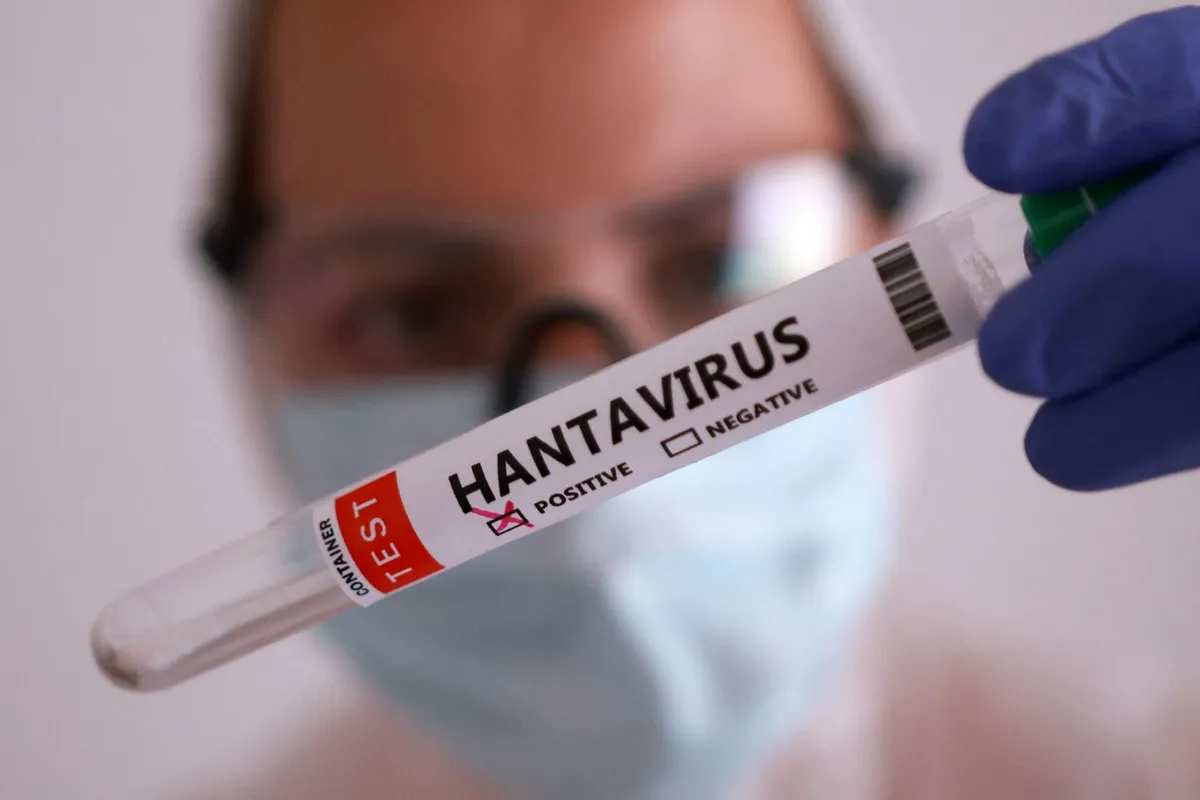
Three passengers aboard the MV Hondius cruise ship in the Atlantic Ocean have died following a hantavirus outbreak. The World Health Organization confirms five additional cases, with the total potentially rising due to an incubation period of up to six weeks.
The vessel departed Argentina on April 1, 2026, and planned a final stop in Cape Verde, but officials there denied disembarkation. The ship now heads to Tenerife, arriving Saturday. Spanish authorities in Madrid approved the porting based on WHO guidance.
Maria Van Kerkhove from the WHO addressed concerns in a press conference, stating: “This is not the next Covid, but it is a serious infection.” She added: “The risk to the general public is low… I really just want to assure people, this is something quite different.”
What Is Hantavirus?
Hantavirus comprises a group of viruses carried by rodents like rats and mice, leading to severe human illnesses. Pharmacist Thorrun Govind explains it rarely spreads person-to-person, unlike Covid or flu.
Primary conditions include Hantavirus Pulmonary Syndrome (HPS), affecting the lungs, and Hemorrhagic Fever with Renal Syndrome (HFRS), impacting the kidneys. Exposure occurs via rodent urine, droppings, or saliva.
“We’re really talking about breathing contaminated air because the virus becomes airborne when rodent urine or droppings dry out,” Govind notes. Prolonged exposure in contaminated areas raises risk, though bites or scratches are rarer vectors. Incubation lasts 2-6 weeks typically, ranging from 2 days to 8 weeks.
Symptoms of Hantavirus
Early signs mimic flu: fatigue, fever, headache, and muscle aches in thighs, hips, back, or shoulders. For HPS, progression brings headaches, dizziness, chills, nausea, vomiting, diarrhea, then coughing, shortness of breath, and chest tightness as lungs fill with fluid 4-10 days later.
HFRS starts with intense headaches, back/abdominal pain, fever/chills, nausea, blurred vision, eye redness, or rash. Later stages involve low blood pressure, shock, internal bleeding, and kidney failure, per CDC data.
Transmission and Human-to-Human Spread
Human-to-human transmission is uncommon but possible via close, prolonged contact, especially household or intimate partners, according to WHO. The Andes strain, prevalent in Argentina and Chile, has shown limited spread in past outbreaks and links to severe cases.
WHO indicates possible shipboard transmission but stresses highest risk to close contacts. Officials manage the situation to protect passengers and the public.
UK Response and Risk
Nineteen British nationals were among 150 passengers. Two self-isolate at home post-exposure without symptoms. All UK returnees must isolate 45 days. UKHSA Deputy Director Dr. Meera Chand states: “We are standing up arrangements to support, isolate and monitor British nationals… UKHSA will continue to work closely with government partners.”
UK records six acute kidney injury cases since 2012, possibly 11 total. Public risk remains low; contact tracing limits spread.
Mortality Rate and Treatment
Mortality varies by strain: 38% for respiratory symptoms overall. Hantaan/Dobrava cause 5-15% fatalities; Seoul/Saaremaa/Puumala under 1%. Immunosuppressed or elderly face higher risks.
No cure exists; antivirals are not standard. Treatment involves hospitalization, monitoring, oxygen therapy, and organ support for heart, lungs, kidneys.
WHO Risk Assessment
WHO Chief Dr. Tedros Ghebreyesus notes potential additional symptomatic contacts but assesses public health risk as low. Maria van Kerkhove clarifies: “This is not Covid, this is not influenza, it spreads very differently.” Dr. Abdirahman Mahamud cites a 2018-2019 Argentine outbreak (34 cases) and expects no large epidemic with proper measures.
Prevention Tips
Avoid dust from dry rodent droppings when cleaning—use masks, goggles, and maintain hygiene. Call professionals for infestations. CDC advises sealing home gaps, trapping rodents, and removing food sources to minimize contact at home, work, or campsites. Pet rodent owners should stay vigilant.