Castlecrag, a historic Sydney suburb designed as a garden utopia blending homes with rocky bushland overlooking the harbour, faces a fierce debate over a proposed 13-storey luxury apartment complex at its entrance. This plan for 150 homes on the former Quadrangle shopping centre site clashes with the legacy of pioneering architects Walter Burley Griffin and Marion Mahony Griffin, creators of Australia’s capital city, amid efforts to address Sydney’s housing shortage.
The Griffin Legacy in Castlecrag
Built in the 1920s, Castlecrag remains an architectural gem, praised as an international treasure. The Griffins purchased 263 hectares of foreshore land to demonstrate development in harmony with native bushland. Their vision featured modest homes integrated into the landscape, allowing urban living attuned to nature.
Castlecrag Progress Association secretary Tim Donahoo emphasizes this uniqueness: “People can still live an urban existence but very much in tune with what nature has provided.” The suburb, eight kilometres from the CBD, includes a heritage conservation area gazetted in 1995, protecting streets, bushland, and 15 surviving Griffin houses.
Details of the Controversial Proposal
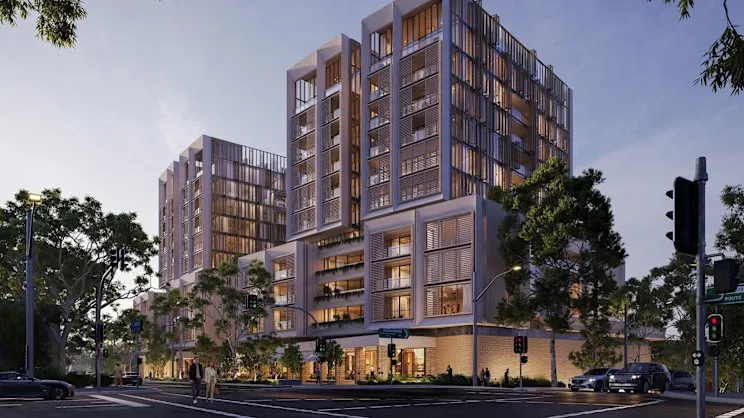
The site at the corner of Edinburgh Road and Eastern Valley Way previously gained approval for a five-storey complex with a supermarket and 38 apartments, earning support from residents, heritage groups, and Willoughby Council. New owners Conquest Assets seek state government fast-track approval via the Housing Delivery Authority for a $250 million project: twin 13-storey blocks housing 150 units, including 10 temporary affordable homes.
Locals express shock at the height increase. Willoughby Liberal MP Tim James calls Castlecrag a “unique and precious suburb” of national significance, arguing the proposal is “grossly excessive” due to its proximity to the conservation area. He notes community support for density near transport hubs like Chatswood but highlights Castlecrag’s single road access and limited bus services.
Opposition from Experts and Residents
Architectural historian Emeritus Professor Paul Kruty from the University of Illinois describes the plan as a “tragic development” that would “greatly compromise” Castlecrag’s creative accomplishment. “This marvellous ‘garden suburb’ deserves protection as the international treasure that it is,” Kruty states.
Emeritus Professor James Weirick, former director of UNSW’s urban development program, labels the plan “totally insensitive” to Middle Harbour’s sensitive site. The Walter Burley Griffin Society warns of “irreversible harm” to the suburb’s unique planning and heritage, which attracts international visitors. Marion Mahony Griffin once called it “truly a bit of paradise on earth.”
Donahoo indicates residents accept more housing but deem the height jump “clearly unacceptable.” Kruty adds it’s about “appropriateness,” not NIMBY versus YIMBY dynamics.
Arguments Supporting Greater Density
Housing advocates push back. Urban Taskforce CEO Tom Forrest criticizes opponents as “intergenerational NIMBYs,” stating, “We have a housing supply crisis, and this is an ideal location to contribute to much-needed additional supply. There is no place for that sort of selfish privilege any more.”
Conquest’s head of placemaking, Benji Williams, highlights community benefits: a supermarket, medical services, and gym. “By thoughtfully increasing the height of the already-approved shopping hub, we can provide 150 much-needed homes including a tenfold increase in affordable housing on a site perfectly positioned for density.”
Sydney YIMBY rejects heritage encroachment claims as “spurious.” Centre for Independent Studies economist Peter Tulip notes only 34 dwellings built in Castlecrag over 30 years to 2021, calling opposition to flats near protected areas “silly.”
Broader Sydney Housing Tensions
Similar conflicts arise across Sydney as authorities balance heritage preservation with housing needs. Planning Minister Paul Scully confirms the application undergoes full merit-based assessment, including public feedback. “All areas of NSW need to do their part to deliver more homes so young people, families, downsizers and the next generation can live in the neighbourhoods they choose,” Scully says.