Algonquin College Approves Major Program Reductions
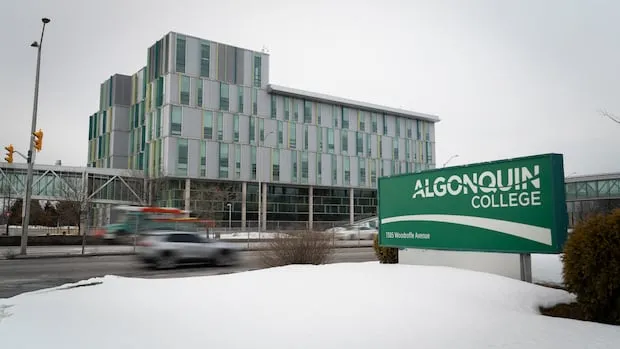
Algonquin College’s board of governors unanimously voted on March 2 to cancel seven programs and phase out 23 others, affecting fields like journalism, horticulture, music industry arts, museum studies, and law clerk training. The decision came during a virtual meeting that left participants feeling powerless.
Larry Hoedl, a museum studies professor, likened the online session to “watching a tractor-trailer unit plow through your house in slow motion.” He described the frustration of observing without input: “You’re not allowed to participate, you’re not allowed to make your voice heard, you’re just a silent observer.”
Financial Pressures Drive Cuts Despite Provincial Funding
The college first proposed the reductions in January due to financial strains, delaying the vote in February after Ontario announced a new post-secondary funding model. However, President and CEO Claude Brulé stated that while funding details remain under embargo, the institution must implement mitigation steps.
Senior Vice-President Academic Julie Beauchamp explained that selections prioritized programs’ financial viability and alignment with provincial goals, including health care, skilled trades, construction, transportation, mining, energy, advanced manufacturing, and STEM fields. Other areas, like arts and humanities, received less focus.
Hoedl noted that neither he nor his union received consultation or clear justifications for targeting these specific programs. He added, “For me, my teaching career is over. There’s no other program like ours where I would be happy or feel rewarded.”
Students and Coordinators Voice Concerns
Program coordinators question how their offerings failed evaluation criteria, given local industries’ reliance on graduates. Colin Mills, coordinator and professor in music industry arts, highlighted a campaign by the Ottawa Music Industry Coalition that sent 11,000 emails to board members and officials, yet yielded no apparent response.
Law clerk student Matthew Sévigny criticized the closed virtual format: “There was no room for feedback. Artificial intelligence-generated response emails and closed-off meetings show they care about one thing: the bottom line.” He lamented impacts on future students, praising professors as practicing lawyers: “Future generations won’t have that because of greed.” Sévigny can complete his program, but paralegal options vanish for others.
Worries Persist Over Additional Reductions
Ontario’s February investment totals $6.4 billion, lifts the tuition freeze, and trims OSAP grants, though full details await release. NDP MPP Chandra Pasma for Ottawa-West Nepean warned it falls short: “I’m worried that this might not be the end of the cuts because we’re just not seeing stable base funding for colleges.”
Tracey Henderson, president of OPSEU 415 representing academic staff, decried the opacity: “I will not be surprised if they continue slashing programs. We’ve lost almost 70 programs in the last year. When does it stop?”