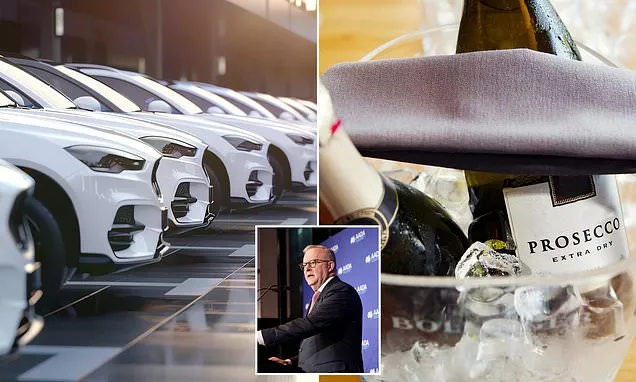
Australia’s red meat exports to Europe stand to surge tenfold under an impending free trade agreement. Local producers must phase out the ‘prosecco’ label for overseas sales over the next decade, while tariffs on European luxury cars will drop, making them more affordable for Australians.
Prime Ministers Set to Seal Historic Pact
Prime Minister Anthony Albanese meets European Commission President Ursula von der Leyen on Tuesday to finalize the long-delayed deal. This agreement aims to shield against global trade disruptions, including U.S. tariffs. Von der Leyen will become the first female foreign leader to address Australia’s federal parliament.
Major Gains for Red Meat Exports
Australian beef shipments to Europe could rise to 30,000-35,000 tonnes annually—a 1,000% jump from current limits— familiar with the talks. Negotiators also explore broader access for all Australian agricultural goods.
Resolution on Protected Product Names
Long-standing disputes over terms like prosecco, feta cheese, and parmesan have been settled. Australian exporters will gradually stop using ‘prosecco’ on foreign markets over 10 years to safeguard Europe’s wine sector. Details on feta and parmesan remain under wraps.
Affordable Luxury Vehicles Incoming
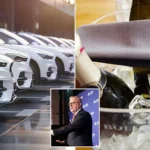
Australia agrees to eliminate the 5% tariff on European car imports, though the luxury car tax stays intact. This move promises lower prices for high-end models.
Farmers Voice Mixed Reactions
Agricultural groups push for at least 50,000 tonnes in annual red meat quotas. “With everything going on globally, there couldn’t be worse timing to lock in an agreement that sells Australian agriculture short,” stated National Farmers Federation president Hamish McIntyre. He warned of Europe’s subsidies creating a “double blow” for local producers, insisting no deal beats a bad one.
Former trade official Prudence Gordon highlighted current quotas as “prohibitive and not commercially meaningful,” citing high tariffs on beef, lamb, rice, sugar, and dairy that deter market entry.