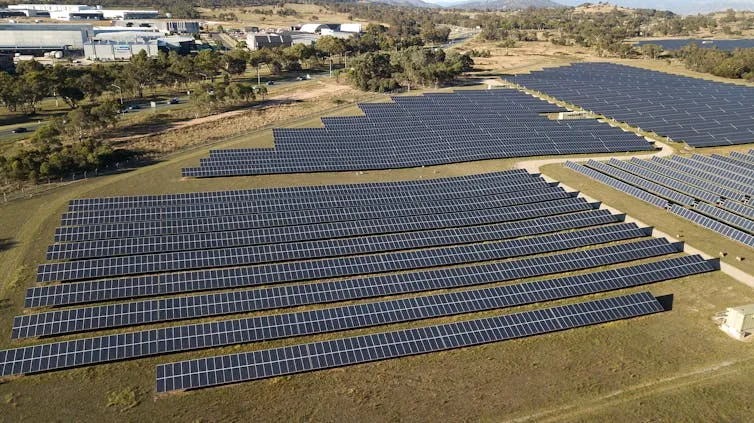
Renewables and Storage Drive Down Wholesale Prices
For the first time on record, renewable energy and storage systems contributed over half of Australia’s main electricity grid supply last quarter. Wholesale power prices have simultaneously dropped by more than 40% compared to the previous year, signaling a potential turning point in the nation’s energy transition.
Wind generation surged nearly 30% during this period, while grid solar increased by 15%. The most dramatic growth came from grid-scale batteries, which nearly tripled their output. Conversely, gas-fired electricity plummeted 27% to its lowest quarterly level in 25 years, and coal generation decreased by 4.6% to record lows.
Grid Stability During Extreme Weather
The system demonstrated unexpected resilience during recent extreme weather conditions, including record-breaking heatwaves and bushfires. While localized outages occurred due to damaged infrastructure, the grid avoided major failures despite peak demand from air conditioning use.
Improved performance from aging coal plants during critical periods, combined with strong hydroelectric output from replenished reservoirs and effective solar-wind coordination, contributed to system stability. Energy analysts note that rooftop solar installations significantly offset daytime cooling demand during heatwaves.
Battery Storage Revolutionizes Energy Management
Australia’s electricity storage capacity has expanded dramatically with the addition of nearly 4,000 megawatts of grid-scale batteries since 2024. These installations are increasingly competing with gas peaking plants by storing surplus renewable energy for evening peak periods.
Residential battery adoption has also surged following government rebate programs, providing households with backup power during outages. Emerging community-scale battery projects show promise for enhancing local grid resilience in coming years.
Transmission Challenges Extend Coal Dependency
While progress continues, delays in transmission infrastructure projects are slowing the transition. The postponed completion of the NSW-South Australia EnergyConnect line has necessitated extended operation of some fossil fuel plants, including NSW’s Eraring coal facility until 2029 and Adelaide’s Torrens Island gas station.
Victoria’s Energy Transition Challenges
Victoria faces particular challenges as Australia’s most gas-dependent state. With Bass Strait gas reserves dwindling and most domestic production exported as LNG, state officials have reopened gas exploration areas while attempting to accelerate electrification efforts.
The state’s ambitious offshore wind program targeting 2 gigawatts by 2032 has encountered delays, with no turbines currently installed and some developers withdrawing proposals. A critical auction process finally scheduled for August aims to revive progress, though questions remain about meeting coal plant retirement timelines.
Balancing Progress and Future Challenges
Energy analysts caution that while reaching 50% renewable generation marks significant progress, achieving the national target of 82% renewables by 2028 remains ambitious. Transmission infrastructure development, battery deployment speed, and managing coal plant retirements will determine the pace of future transition.
Market observers note that sustained lower wholesale prices could begin reducing consumer electricity bills by mid-2026, though price fluctuations may occur during infrastructure transitions. The continued evolution from gas and coal toward electrified transport and renewable-powered homes suggests potential for long-term household energy cost reductions.