Australia’s potential involvement in the aftermath of the Iran conflict grows clearer amid global efforts to resolve the oil crisis. As diesel shortages hit parts of the country and leaders worldwide push for diplomacy, attention turns to reopening the Strait of Hormuz once fighting stops. Officials emphasize that support will only follow a ceasefire.
Trump Calls Out Australia on Assistance
Under strain from the war’s economic fallout, US President Donald Trump criticized allies for limited help in securing the strait. On Thursday night, he highlighted Australia specifically, stating, “Australia was not great. I was a little surprised by Australia.”
Albanese Defends Australia’s Stance
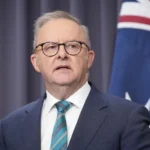
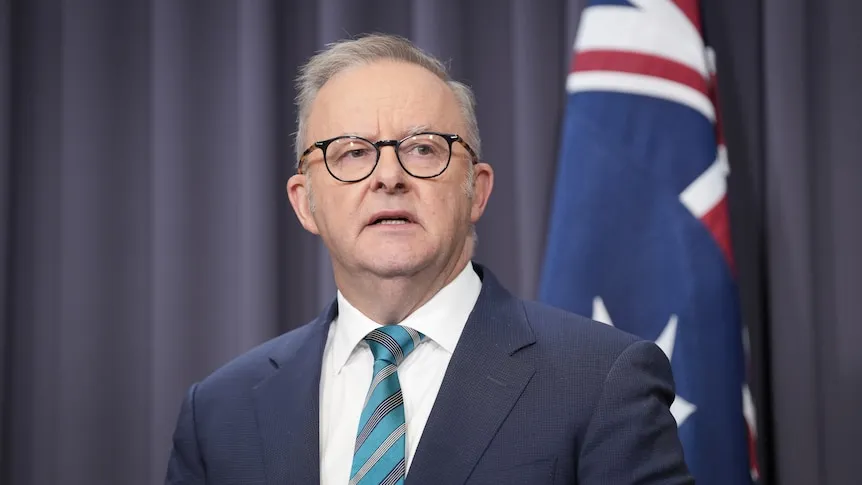
Prime Minister Anthony Albanese countered that Australia has met every formal request for aid. “I again reiterate there is no request being made to Australia that has not been agreed to,” he said. Albanese urged Trump to clarify his remarks and noted Australia received no prior consultation on last month’s US-Israeli strikes against Iran. “What Australia is responsible for is Australia’s response. And we’ve been constructive,” he added. He expressed strong disapproval of the Iranian regime but deferred war decisions to the US, stressing Australia’s alliance while calling for de-escalation due to the conflict’s global economic toll.
Joining International Efforts
After initial hesitation, Australia endorsed a UK-led joint statement last week committing to actions for keeping the strait open, following nations like Canada and New Zealand. The UK now plans to host talks on implementation details. Federal officials show no interest in deeper involvement until a ceasefire, a view echoed by allies. Germany’s Defence Minister Boris Pistorius, during a recent Australia visit, affirmed his nation would avoid the conflict absent a truce.
Deputy Prime Minister and Defence Minister Richard Marles indicated Australia’s time for expanded action has not come. “We have signed on to the UK-led statement around providing for the opening up of the Strait of Hormuz when conditions allow, and we will continue to play our part,” he said. Current US requests focus on Gulf defense, which Australia addresses in line with national interests, especially given ties to Gulf states and large Australian expat communities in the UAE.
Possible Forms of Support
Options include extending the deployment of Australia’s E-7 Wedgetail surveillance aircraft and its 85 personnel in the UAE beyond four weeks. Marles recently signaled openness to this. Other assets could involve P-8 Poseidon maritime patrol planes, KC-30 refuellers, or naval mine countermeasures.
Professor Ian Langford of Security and Defence PLuS notes Iran’s firm grip on the strait as key leverage. “The Iranians see the control of the straits as their strategic leverage,” he explained, predicting prolonged disruptions even post-ceasefire.
Naval Challenges Ahead
Escorting tankers with warships remains viable, as Australia did in 2019 with HMAS Toowoomba. However, aging Anzac-class frigates struggle against drones, while deploying Hobart-class destroyers risks upgrade delays. Langford deems such operations among the most complex since World War II and favors air support instead. Australia could also send personnel, similar to 2023 deployments to Bahrain amid Red Sea threats.
Shadow Defence Minister James Paterson calls for transparency on requests and coalition roles. “Australia’s national interest is clear: we want the Strait of Hormuz to reopen so oil can flow again and petrol and diesel prices come down,” he said.
Key Uncertainties Loom
Plans hinge on war duration and escalation risks. US Marines head to the region, fueling talk of ground operations like seizing Kharg Island, Iran’s main oil processing hub. Officials view US ground troops as a unpredictable turning point. Albanese has consistently ruled out Australian boots on Iranian soil.