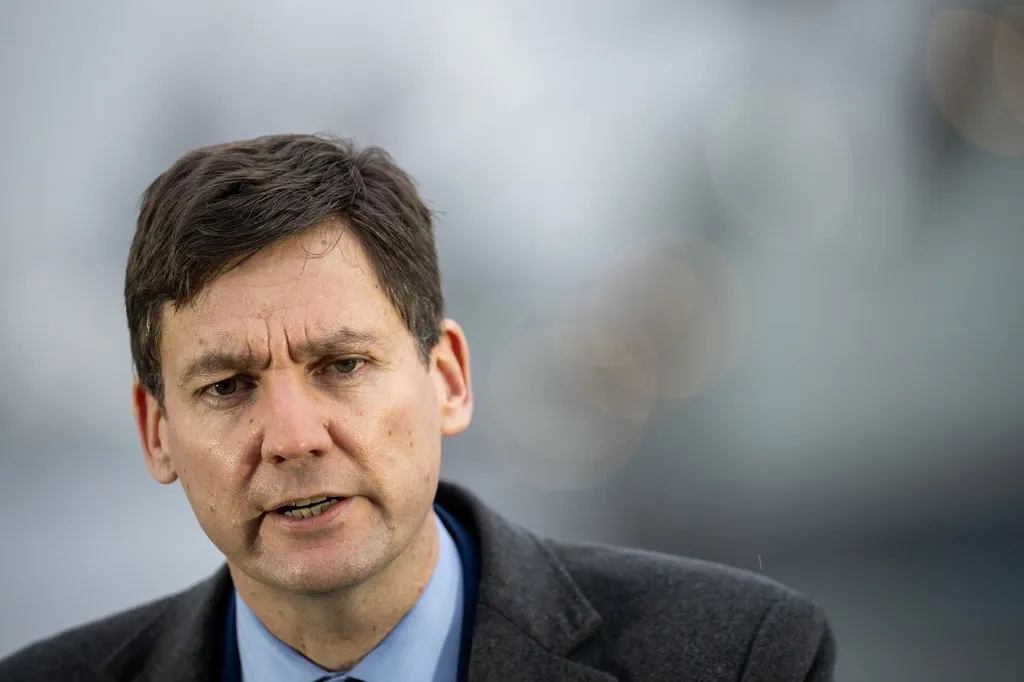
British Columbia Premier David Eby is proposing amendments to the Declaration on the Rights of Indigenous Peoples Act (DRIPA) following two recent court rulings that favored First Nations. Leaders from First Nations urge the government to maintain the legislation unchanged.
Background on DRIPA
Enacted in 2019, DRIPA mandates that the province takes all measures to align its laws with the United Nations Declaration on the Rights of Indigenous Peoples (UNDRIP). This includes ensuring free, prior, and informed consent from Indigenous Peoples on issues affecting their rights, lands, territories, and resources. The federal government has adopted similar UNDRIP principles, interpreting them as not granting a veto over development projects.
Recent Court Decisions
Two court rulings invoked DRIPA to support First Nations claims. One declared the provincial mineral claims system inconsistent with the act. Another affirmed the Cowichan Tribes’ Aboriginal title over land along the Fraser River, invalidating titles held by Canada and the City of Richmond.
Premier Eby emphasized the need for control by elected representatives. He stated, “It is crucial that British Columbians through their elected representatives remain in control of this process, not the courts.” He added, “Too much rides on it in terms of our province’s prosperity and certainty going forward.”
Proposed Amendments
A confidential letter sent to select First Nations leaders on Monday outlines changes to shift from requiring “all measures” to establishing “ongoing processes” for aligning specific legislation with DRIPA. The revisions target key sections, including the act’s purpose.
Current wording states the act affirms UNDRIP’s application to provincial laws. The proposal replaces this with language committing to ongoing consultations and cooperation toward alignment. Another clause mandating consistency across all laws would limit efforts to priority enactments, with flexibility to prepare new action plans at any time.
Consultation Timeline
The province schedules a briefing for First Nations leaders on Wednesday, with feedback due by 4 p.m. Friday. A one-hour meeting with Eby, Attorney General Niki Sharma, and Indigenous Relations and Reconciliation Minister Spencer Chandra Herbert is set for April 1. The government acknowledges compressed timelines and welcomes input.
Opposition and Concerns
First Nations groups oppose any alterations. The Union of B.C. Indian Chiefs, representing over 100 nations, passed a February resolution demanding the government uphold the current law.
The Law Society of British Columbia criticized attempts to amend the legislation in response to rulings. In a February statement, it warned that such moves undermine judicial independence and public confidence in the justice system. The society urged reconsideration of changes that limit court access.
These proposals come amid efforts to advance major projects for economic growth, potentially straining relations with Indigenous communities amid U.S. trade pressures. Some B.C. Conservative MLAs advocate scrapping DRIPA entirely.