Canadian athletes at the Milan Cortina Olympic Games depend on diverse funding streams, including sponsorships, federal grants, part-time work, prize money, and family support. Social media has emerged as a key revenue source since the International Olympic Committee eased restrictions on athletes’ online activity during competitions.
IOC Rule Changes Unlock New Opportunities
Previously strict Rule 40 of the Olympic Charter limited athletes’ ability to acknowledge sponsors during the Games, protecting major marketing partners. In response to athlete feedback, the IOC relaxed these guidelines starting with the Tokyo Olympics in 2021, allowing personal promotions when visibility peaks.
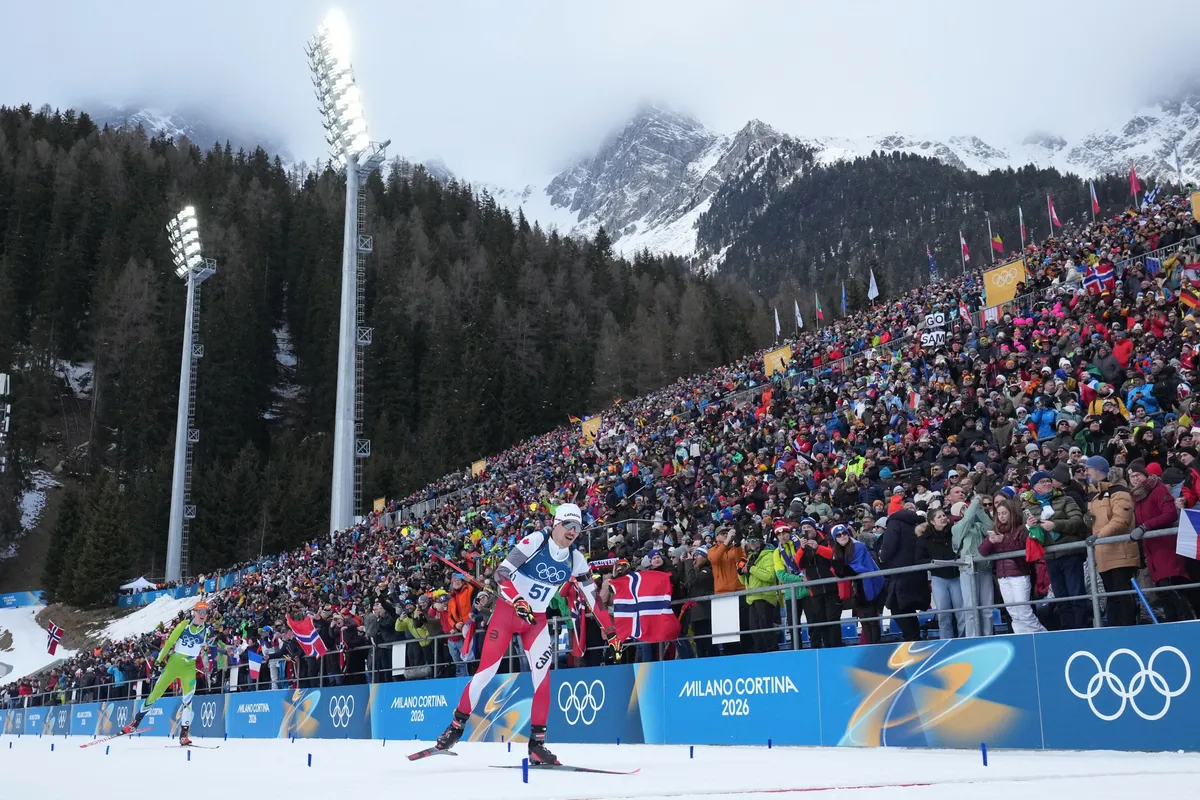
“Athletes with large followings now earn from social media, expanding their reach to attract new sponsors,” says Canadian cross-country skier Xavier McKeever. “We call it building your brand.”
Agents Highlight Shift to User-Generated Content
Agent Brian Levine, who represents athletes like sprinter Andre De Grasse through Envision, notes the transformation. “Athletes now operate their own media channels,” he explains. “Brands gain direct access to followers for authentic content, bypassing traditional ads.”
This benefits athletes with 25,000 to 100,000 followers, turning personal accounts into valuable assets.
Challenges of Content Creation
While lucrative, managing social media demands time amid intense training. Bobsledder Cynthia Appiah recognizes its value: “Social media keeps eyes on athletes when races aren’t televised. I want to post more, but training leaves little energy for content.”
Freestyle skier Rachael Karker adds that half of major sponsorship contracts require social posts. “Brands once used billboards or cereal boxes; now it’s all online promotion.”
Viral Moments Drive Follower Growth
Biathlete Adam Runnalls saw his Instagram followers surge from 1,600 to over 28,000 after sharing his knitting hobby at the Games. Figure skater Madeline Schizas gained traction with a viral post requesting a university deadline extension, drawing global media attention.
McKeever points to non-medal contenders succeeding too: “A South African cross-country skier built a 10,000-follower brand around his unlikely Olympic journey from a non-skiing background.”
Generational Divide in Attitudes
Views differ by age. Speed skater Laurent Dubreuil, 33, sees it as a necessity: “Social media is crucial for fan engagement and sponsorships, though I dread it and can’t wait to retire from it.”
Younger ski jumper Abigail Strate, 24, embraces it naturally: “I’ve always competed with social media. Growing an online presence was key to landing sponsors.” Her Instagram, blending jumps and personal life, exceeds 18,000 followers.
Sports and Personalities Shape Success
Visually dynamic sports like snowboarding aid stars such as Mark McMorris, with 817,000 followers. He featured in a Dove campaign with a temporary chest tattoo. “Social media offers huge positives, pays well, and lets us share career stories,” McMorris says. “I have fun with it to promote myself financially.”
Levine acknowledges inequities: “Agencies help some produce content, but sport and marketing favor the spotlight-ready.”