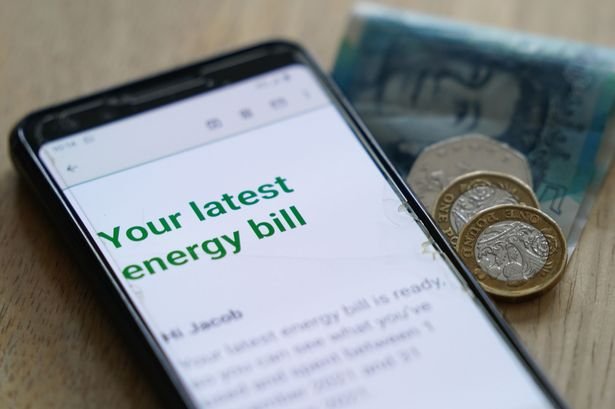
Recent research spanning 18 months of testing various heating systems has identified effective strategies for heating homes more efficiently. These methods can help reduce energy bills by up to 12 percent, offering relief amid rising winter costs. Surveys indicate that nine out of ten households express concern over affording their energy expenses during the colder months.
Experts collaborating on the UK’s leading energy research project at the University of Salford’s Energy House 2.0 provide practical advice, from simple adjustments to longer-term upgrades, to optimize home heating and lower consumption.
Lower Your Boiler’s Flow Temperature
Most boilers operate at default flow temperatures between 70°C and 80°C. Adjusting this setting down to 60°C can achieve a 12 percent decrease in gas usage for heating, based on controlled experiments. This straightforward change targets the core of how heat is distributed throughout the home.
Maintain Your Boiler Regularly
A small drop in boiler efficiency, even by 5 percent, can increase annual energy costs by around £87. Scheduling a professional service, which typically costs about £90 for a combi-boiler, helps sustain peak performance and prevents unexpected expenses.
Improve Home Insulation
Oliver Novakovic, innovation lead at Barratt Redrow, notes that many older homes suffer from inadequate insulation, heightening discomfort as winter approaches. Official statistics reveal that 60 percent of homes in England achieve an average or better wall insulation rating, compared to 69 percent in Scotland and 52 percent in Wales. Enhancing insulation in underperforming properties can significantly curb heat loss.
Seal Draughts Effectively
Novakovic recommends identifying and addressing draught sources before temperatures drop. A smoke pencil draught detector, available for under £50, simplifies spotting air leaks. Older homes with hardwood doors often face widened gaps due to seasonal expansion and contraction.
To counter this, install draught exclusion strips along the door bottom and frame seals around the edges. These affordable measures block cold air infiltration and maintain indoor warmth.
Use Curtains and Blinds Strategically
Full-scale testing demonstrates that closing curtains and blinds can reduce heat loss through windows by 10 to 30 percent. They create an insulating air barrier between the glass and the room, acting as an extra layer of protection against escaping warmth.
Consider Upgrading to Heat Pumps
Switching to heat pumps presents a cost-effective alternative, with daily winter running costs as low as £1.84 for a standard property. Unlike gas boilers that deliver intermittent heat bursts, heat pumps provide consistent temperatures, enhancing overall efficiency and comfort.
Insulate Pipes as a DIY Project
Novakovic emphasizes that pipe insulation is an accessible task requiring minimal expense. Foam tubes slip easily onto straight sections, while wraps handle bends. Measure pipes and tanks accurately before buying, and opt for non-flammable materials to ensure safety. This upgrade prevents heat loss in plumbing systems, contributing to broader energy savings.