West End’s Bold Dracula Revival Pushes Boundaries
Cynthia Erivo delivers a tour de force in the West End production of Dracula at the Noël Coward Theatre, portraying 23 characters single-handedly across two demanding hours. She seamlessly embodies Van Helsing, Mina, Jonathan Harker, Lucy, Renfield, Seward, and Dracula, rarely leaving the stage or catching her breath.
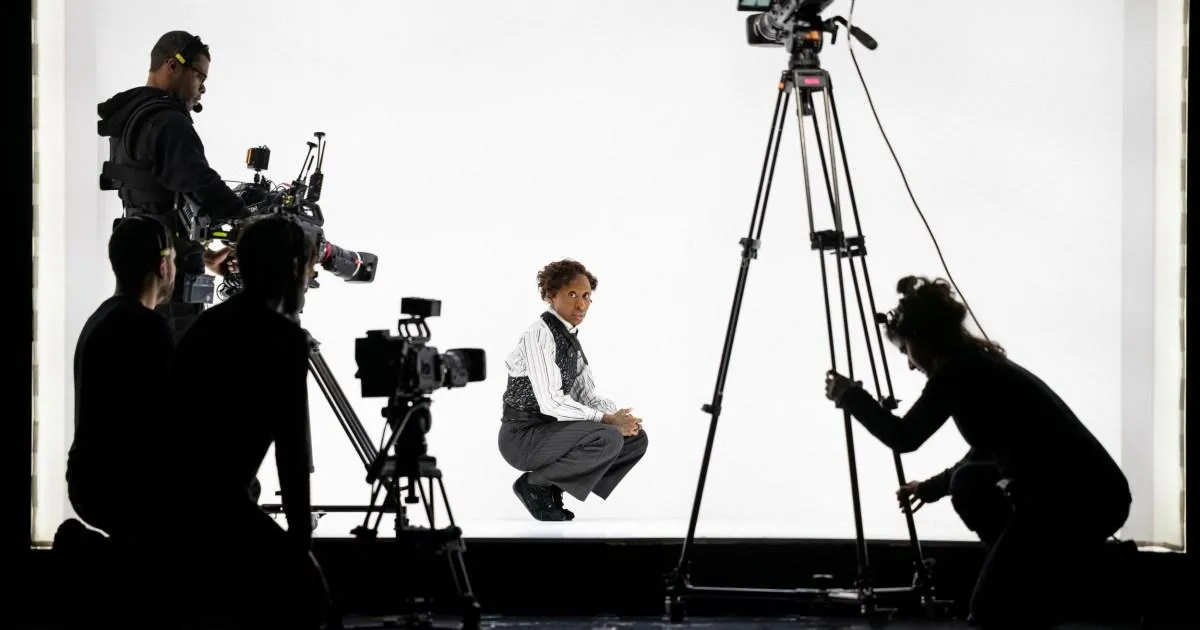
Directed by Kip Williams, the show, which premiered on February 16, innovates by merging live action with pre-recorded video. Cameras follow Erivo relentlessly, projecting her image onto a massive screen, while pre-shot segments synchronize precisely with her performance.
Cutting-Edge Video and Live Fusion
This technique yields striking visuals that echo the novel’s epistolary style: live performers represent journal writers, while recipients appear on screen like emerging thoughts. The setup eliminates poor sightlines and enables surreal sequences, such as disorienting overlays in Dracula and Lucy’s dreamlike encounter.
A standout moment occurs when Erivo steps forward to sing as Dracula without tech support, creating a mesmerizing break from the pattern. Certain characters remain purely filmed, evoking vampiric no-reflection lore.
Erivo’s Commanding Versatility
Erivo shines with magnetic precision, crafting distinct physical and vocal traits for each role. Her Dracula proves especially chilling, blending humor, menace, and emotional depth amid technical rigors like rapid costume changes and cue-perfect timing.
Transformations stun, with Jonathan’s anxiety yielding to Mina’s poise in fluid shifts. Yet the solo demands occasionally blunt resonance; some male roles like Seward and Harker feel underdeveloped, and Van Helsing’s white wig and beard prompt chuckles, tipping toward caricature.
Minor glitches—a fumbled line or extended pause—arise over a dozen times, remarkable only in their scarcity given Erivo recites much of the novel while navigating complex choreography.
Thematic Resonance and Audience Impact
The format intensifies Dracula‘s exploration of repression, contagion, and fractured identities. Shared faces for Mina and Dracula turn external battles inward, amplifying psychological tension. Erivo’s fluid gender expression highlights homoerotic undercurrents vividly.
Up to five Erivo iterations appear simultaneously, reinforcing mental fragmentation. The finale sparks a roaring standing ovation tinged with awe at her stamina. Post-show buzz centers on sustaining the run, though a full ensemble might deepen character nuances.
For spectacle seekers, Erivo’s audacious feat justifies the ticket, blending narrative pull with raw theatrical prowess.