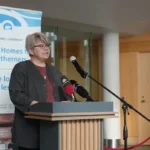
DBV Technologies delivered key insights from its Phase 3 VITESSE clinical trial on the VIASKIN Peanut Patch during an oral presentation at the American Academy of Allergy, Asthma & Immunology (AAAAI) 2026 Annual Meeting in Philadelphia. The trial, the largest food allergy immunotherapy study conducted, evaluated the treatment’s efficacy and safety in peanut-allergic children aged 4 to 7 years.
Strong Results from VITESSE Study
The study achieved its primary endpoint with statistical significance (p<0.001). At 12 months, 46.6% of children treated with VIASKIN Peanut met responder criteria, compared to 14.8% in the placebo group—a difference of 31.8% (95% CI: 24.5-39.0%), surpassing the prespecified threshold.
Additional data revealed:
- 82.8% of treated subjects increased their eliciting dose by at least one level in a double-blind placebo-controlled food challenge at month 12, versus 48% in placebo.
- 60.1% advanced by at least two doses, compared to 23.4% in placebo.
- Only 6.4% of treated children saw a dose decrease, versus 24% in placebo.
- Sensitivity analyses confirmed robustness, with response differences ranging from 22.1% to 27.8%.
- Benefits held across baseline eliciting dose groups: 49.3% responders (baseline ≤30mg) vs. 14.7% placebo; 43.1% (baseline 100mg) vs. 14.6% placebo.
The patch proved well-tolerated, with most adverse events being mild local skin reactions, aligning with prior Phase 3 trials.
Expert Perspectives
David Fleischer, M.D., Professor of Pediatrics at Children’s Hospital Colorado and VITESSE Global Principal Investigator, noted, “The additional data suggest a broad and consistent treatment effect of the VIASKIN Peanut Patch. The increases in eliciting dose are clinically meaningful and may reflect reduced allergic reaction risk. Nearly four times as many placebo children became more sensitized over 12 months. These results support VIASKIN as a proactive treatment option for peanut-allergic children, if approved.”
Pharis Mohideen, M.D., DBV Technologies Chief Medical Officer, added, “The data show consistent desensitization across subgroups and baseline characteristics. If approved, VIASKIN Peanut would offer caregivers a non-invasive, daily-activity-friendly option. These findings back our planned Biologics License Application submission to the FDA in the first half of 2026.”
Future Outlook
Full presentation details are accessible via DBV Technologies’ scientific publications page. The company continues advancing epicutaneous immunotherapy for pediatric food allergies.