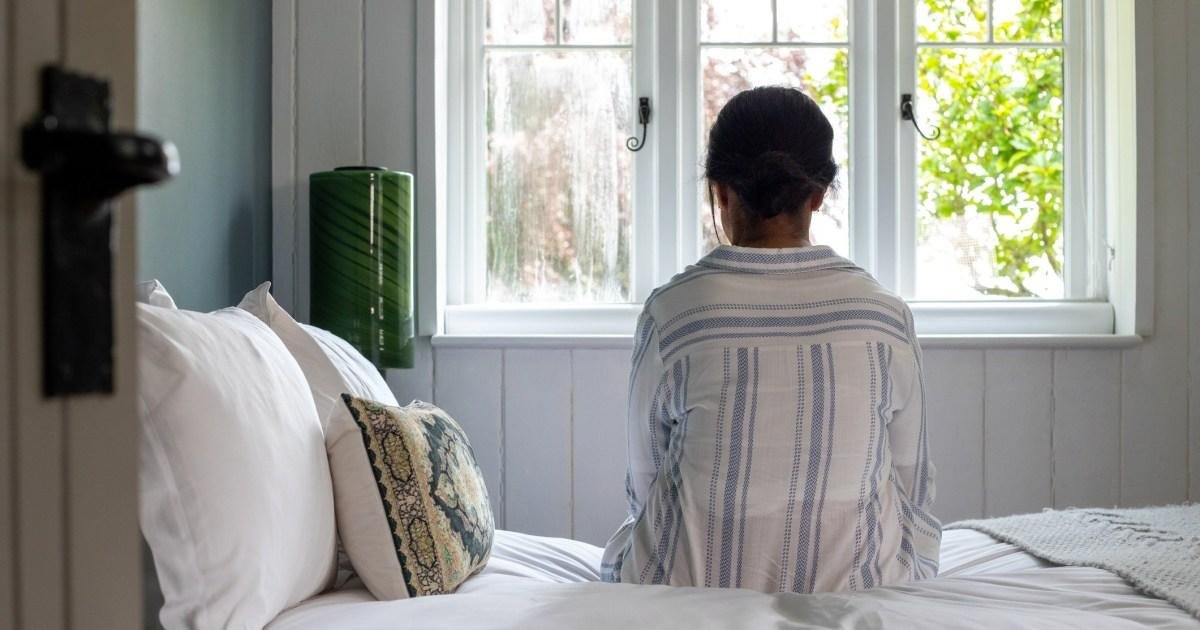
Standing outside my mother’s flat, I hesitated before knocking. Just 24 hours earlier, I had fled this place—a home that felt more like a prison than a sanctuary. Now, as a minor, with my aunt unwilling to take me in, police had returned me here against my will.
Fortunately, the flat was empty. ‘Well, I’m leaving then,’ I told the officer, and bolted before he could stop me. That was over 30 years ago. I’ve never returned to my family since. Though many are still alive, I embrace the label of orphan—it’s preferable to revisiting that toxic, abusive world.
Childhood Marked by Cruelty
The abuse started early, though I didn’t fully grasp it until toddlerhood. My mother alternated between emotional detachment and brutal physical attacks. The rare moments of relief came during my father’s visits. He’d entertain me with a playful game, holding a candle under his chin to make silly faces. In those brief times, I felt like a normal child.
But those visits ended tragically when my father died at age eight. I remember the moment vividly: sitting on the living room floor with a bowl of porridge, she walked in holding a letter and announced bluntly, ‘Your father’s dead.’ She sent me to school as if it were an ordinary day. Grief overwhelmed me—I felt sick and terrified throughout.
With him gone, no one stood between me and her unchecked rage. The violence intensified: she lashed my legs with a plastic belt until they bled, broke bones, and once fractured my skull.
Escalating Trauma in Adolescence
As a teenager, the abuse took a darker turn with sexual violations. She insisted on supervising my baths, using every chance to touch me inappropriately. I’d freeze, escaping mentally to imaginary worlds like those in The Chronicles of Narnia—a dissociation technique common among survivors of childhood sexual abuse.
Worse, she fabricated reasons to punish me, hiding items like biscuit packets and accusing me of theft. Denials led to beatings for lying; confessions brought more for the initial deceit. No matter my response, pain followed.
I vowed to escape by 16 if I survived that long. True to my word, I fled with only a white blazer and my GCSE art portfolio—nothing tied to her tainted everything else.
Building a Life from Scratch
I sought refuge with my aunt, my only surviving blood relative, but she refused even to meet me at the police station. Back at the flat briefly, I left again within hours, determined to survive alone.
Life post-escape was harsh. I endured substandard supported housing, then a barren high-rise flat without basics like furniture or carpets. In a shared house, male tenants exploited me and another woman, demanding sex for a place to sleep. An abusive relationship in my late teens to mid-20s compounded the struggles; I had two children during that time, shifting my focus to shielding them from their father’s harm.
We were utterly on our own, relying solely on my resilience. I earned a degree, a master’s, and an interior design qualification. My ex now has limited contact with our grown children, minimizing his influence.
Healing and Lingering Loss
These achievements don’t erase over 50 years of feeling robbed, rejected, and isolated. I yearn for a supportive mother, a reliable family network, aunts, uncles, and cousins who make one feel truly rooted.
If you have caring family, count your blessings. I’ve built mine through my children and lifelong friends. Yet, a piece of me forever mourns the lost childhood, the abused girl who ran from a supposed safe haven, knowing solitude was her only path forward.