Indigenous Representation Gap Exposes Democratic Deficit
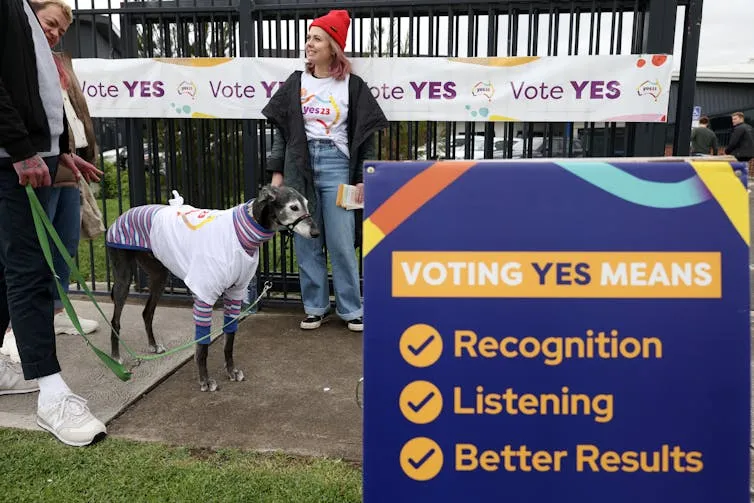
Australia’s governance of Indigenous affairs continues to operate without formal mechanisms enabling Aboriginal and Torres Strait Islander peoples to shape policies directly affecting their communities. The rejected Voice to Parliament referendum represented a historic opportunity to address this systemic gap in democratic representation.
Structural Inequality in Political Participation
Despite increasing Indigenous representation in federal parliament, elected officials cannot formally represent all Aboriginal and Torres Strait Islander perspectives. Notably, no Torres Strait Islander representative has served at Commonwealth level in Australia’s 125-year federation history.
Political accountability fundamentally relies on constituents’ ability to remove representatives through elections. However, minority populations face inherent limitations in majority-based systems – a dynamic often described as ‘the tyranny of the majority.’ For First Nations peoples, this structural disadvantage compounds historical injustices stemming from unlawful dispossession.
Beyond Formal Political Institutions
Effective representation extends beyond parliamentary processes. Indigenous communities have long exercised political influence through alternative channels including:
- Government inquiry submissions
- Grassroots activism and protests
- Strategic legal challenges
- Cultural advocacy and media campaigns
The Voice’s Unfulfilled Potential
The proposed advisory body offered structural reform that could have transformed policy development. Analysis indicates it would have established direct communication channels between First Nations communities and decision-makers, similar to mechanisms successfully implemented in Victoria’s Yoorrook Commission and First Peoples’ Assembly.
Experts suggest such institutions demonstrate how representative bodies can reframe political debates and spotlight critical issues like self-determination and policing reforms.
Democratic Implications of Referendum Failure
The rejection of constitutional recognition through the Voice referendum represents more than preservation of the status quo. Observers argue it constitutes an active choice to maintain political structures that exclude First Nations perspectives from policies directly impacting their communities.
This outcome raises broader concerns about Australia’s democratic adaptability. Political scientists note that healthy democracies require institutional evolution to address emerging challenges – from Indigenous reconciliation to climate policy. Systems resisting such transformation risk entrenching historical inequities while undermining public trust.
Pathways Forward for Representation
The referendum’s failure highlights the ongoing need to strengthen alternative forms of Indigenous political participation. Maintaining pressure for democratic reform will require sustained public engagement with the representation gap the Voice sought to address.
Supporting existing Indigenous-led advocacy efforts emerges as a critical priority. These mechanisms continue advancing self-representation despite formal political exclusion, demonstrating resilience in Australia’s democratic landscape.