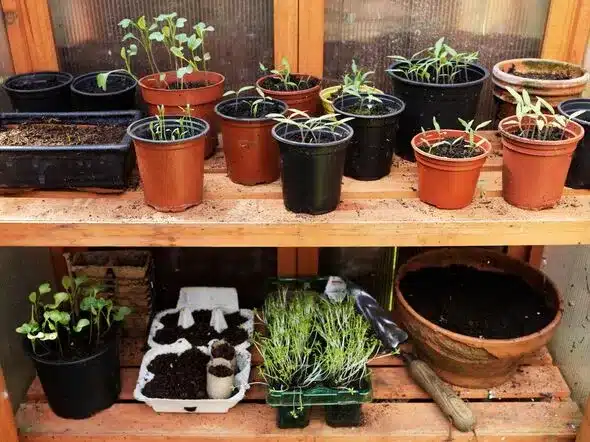
February signals the beginning of seed sowing season as days lengthen and light improves. Timely sowings now produce sturdier plants and earlier yields. Match crops to ideal conditions: some thrive on a bright windowsill, others require propagator warmth, and a few suit outdoor planting in favorable weather.
Ideal Windowsill Sowings
A warm, sunny windowsill suits hardy seedlings that tolerate cooler temperatures. Start peas in pots or modules for robust transplants later. Kale offers reliable indoor sowing for steady supplies through the season. Sweet peas benefit from early starts too.
Prepare sweet pea seeds by nicking the coat with a knife or soaking overnight to boost germination. Plant in deep pots, maintain cool yet bright conditions, and promote sturdy stems over leggy growth.
For flowers, begin cosmos indoors this month to enjoy color sooner.
Heat-Loving Crops in Propagators
Tomatoes, chillies, cucumbers, and aubergines need consistent warmth for germination. An early propagator start provides the extended season these plants demand. Keep compost moist but not soggy, ventilate after sprouting, and ensure strong light prevents legginess. Pot on gradually to avoid oversized containers. Sprinkle vermiculite on top to retain moisture and deter algae.
Outdoor Sowing Options
Sow outdoors only if soil remains unfrozen and workable without compaction. In mild areas with light soils, plant broad beans. Carrots, parsnips, early beetroot, salad onions, lettuces, radishes, spinach, and summer cabbages may also succeed. Delay in cold, heavy gardens or start under cover for later transplanting.
Prioritize clean pots, clear labels, consistent moisture, and ample light for all February sowings to ensure spring success.
Japanese Quince: February’s Flowering Gem
Japanese quince blooms early when gardens awaken, displaying waxy flowers in coral, scarlet, pink, or white along thorny stems. This shrub adds border color and nectar for pollinators.
Plant in sunny, well-drained spots, ideally against warm walls or fences. Enrich planting holes with compost in fertile soil. Mulch after firm planting on frost-free days, avoiding stem contact.
Recommended varieties include Chaenomeles x superba ‘Crimson and Gold’ for bold red blooms, compact ‘Geisha Girl’ with apricot flowers for small spaces, and ‘Nivalis’ for white flowers pairing with snowdrops and hellebores.
Prune in February by removing damaged or crossing stems; delay major cuts until post-flowering. Flowers form on older wood, ensuring future displays. Expect aromatic fruits for jellies later.
Top February Garden Tips
- Use sharp bypass pruners on deciduous ornamental grasses to avoid smothering new shoots. For thick stems, opt for geared loppers and cut from the top down.
- Clean bird baths regularly for fresh water. Scrub, refill, break ice, and position openly to combat algae.
- Lift saucers under outdoor pots and elevate on feet or bricks to prevent waterlogging and root damage.
- Secure cold frame lids against wind with pegs or weights to avoid slamming or lifting.
- Gently rake moss from lawns with a spring-tined rake, then top-dress. Postpone heavy scarifying until growth strengthens.