As freezing winter weather persists across the UK, millions of households face growing concerns over heating costs. Recent research indicates that nine in 10 people worry about affording their energy bills during the colder months. The findings show that two-thirds of households adopt severe measures, such as heating only one room, to manage expenses.
Experts from Energy House 2.0, the UK’s leading energy research facility at the University of Salford, have spent the past 18 months testing heating systems and building techniques. Their work identifies practical strategies to achieve better warmth with lower costs, including simple adjustments and long-term improvements. Oliver Novakovic, innovation lead at Barratt Redrow, shares insights on these methods.
Lower Your Boiler’s Flow Temperature
The boiler’s flow temperature determines how hot the water leaves the unit to heat radiators. Most boilers default to 70°C to 80°C. Researchers at Energy House 2.0 tested reductions and found this change delivers the biggest savings without any initial cost.
Lowering the temperature from 80°C to 60°C cuts gas use for heating by 12%. Combi-boilers perform well at this level, providing steady warmth. Radiators may feel less hot, and rooms could warm slightly slower, but proper insulation minimizes any noticeable difference while maximizing savings.
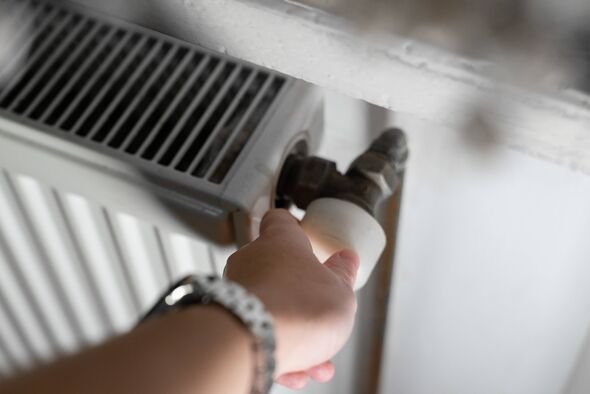
On a combi-boiler, find the dial or buttons with a radiator icon to adjust the setting. Check the manual for specific instructions.
Maintain Your Boiler Regularly
The boiler powers hot water and central heating, making annual servicing essential for safety and efficiency. Schedule it in summer to avoid peak demand and address issues early. If radiators heat unevenly or problems arise, a service costs around £90 and includes checks on components, filters, and pipes for leaks or corrosion.
Engineers test efficiency during servicing; even a 5% drop can add £87 to annual bills. They can also adjust flow temperatures if needed.
Improve Home Insulation
Insulation traps heat and reduces bills by limiting losses through walls and roofs. Pre-1920s homes often lack wall insulation, while new builds meet strict standards and save up to 65% more energy than older ones.
“Many older homes suffer from poor insulation, adding stress as winter nears,” Novakovic notes. Data from the Office for National Statistics reveals that 60% of English homes have average or better wall insulation, rising to 69% in Scotland and 52% in Wales.
Mineral wool works best for lofts, costing about £1,000 for a detached house. Homeowners could recoup £340 yearly on bills for detached properties or £200 for semi-detached ones.
Seal Draughts Effectively
Draught-proofing controls airflow without sealing a home completely, as ventilation prevents damp and mould in kitchens and bathrooms. Novakovic recommends: “Identify draughty spots early with a smoke pencil detector, available for under £50, to locate air leaks.”
Older hardwood doors expand and contract, widening gaps. Use draught excluders at the bottom and sealers around frames. Target letterboxes, unused chimneys, doors, windows, and loft hatches. Weather stripping in foam, rubber, or metal fits easily. For UPVC windows, inspect existing seals for damage.
Use Curtains and Blinds Strategically
Closing curtains or blinds reduces window heat loss by 10-30%, especially in single-glazed older homes. They create an air barrier that acts as extra insulation, using everyday items rather than specialized thermal versions.
Radiators under windows lose more heat as warm air rises. Covering them cuts this loss and improves comfort. This simple step also blocks draughts and condensation, offering an affordable way to retain warmth where full upgrades aren’t possible.
Consider Heating Upgrades
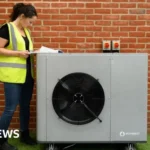
For larger investments, Energy House 2.0’s comprehensive tests on electric systems—vital as the UK phases out gas boilers—highlight options like infrared panels, heat pumps, underfloor, and skirting heaters. Air source heat pumps stand out, costing as little as £1.84 daily in winter and providing consistent efficiency over gas bursts.
Prevent Pipe Freezing
Frozen pipes expand and burst, leading to costly repairs. Insulate loft pipes and tanks to protect them. Novakovic advises: “Foam tubes or wraps offer cheap, DIY solutions; measure pipes first and avoid flammable materials.”
A survey of 2,000 UK residents underscores widespread interest in energy-saving habits and routines.