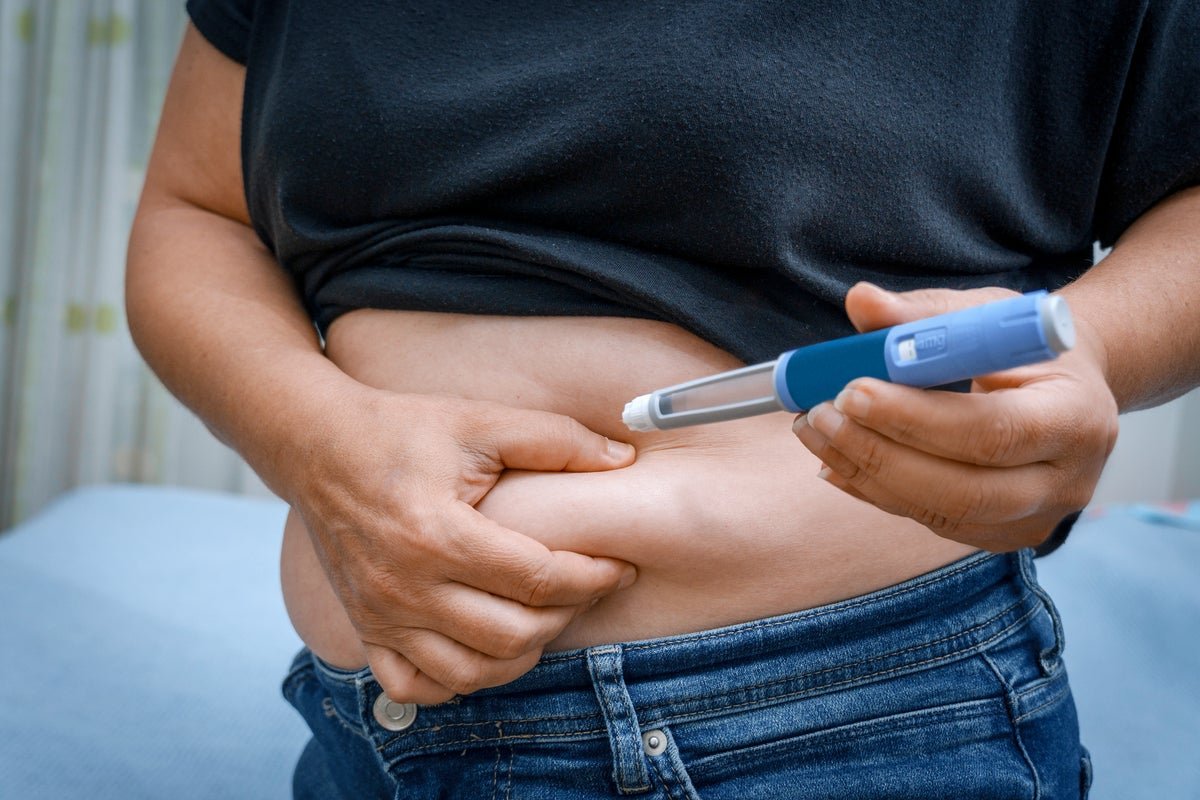
Weight-loss medications known as GLP-1s have surged in popularity across the United States, with one in eight adults using them to manage weight or chronic conditions. These drugs generate billions in revenue and continue to expand. For instance, products like Ozempic and Wegovy brought in over $31 billion for Danish pharmaceutical company Novo Nordisk in 2024, representing a significant portion of Denmark’s GDP.
These medications have permeated popular culture, with celebrities openly discussing their use and social media buzzing with terms like “Ozempic face” to describe rapid weight-loss effects. Availability is expanding too, as formulations shift from injectables to convenient pills, potentially boosting adoption rates.
Transforming Food Consumption Habits
GLP-1s extend their influence beyond individual health, affecting spending patterns across multiple sectors. Users often experience reduced appetite and altered eating behaviors. “When they’re losing weight, people sometimes go, ‘I’m not as hungry’ … and ‘I just don’t eat as much as I used to,’” explained Nicolette Pace, a registered dietitian based in New York.
These drugs also target brain reward centers, diminishing cravings for ultra-processed foods, according to Dr. Will Haas, a board-certified integrative medicine physician in North Carolina. “You’re not getting that same kind of reward feedback loop from some of the ultra-processed foods,” Haas noted.
Household grocery spending drops noticeably among GLP-1 users. Research published in December in the Journal of Market Research indicates that families with at least one user reduced grocery expenditures by more than 5 percent within six months. Similarly, a January study by consulting firm Bain & Company found that U.S. consumers on these medications spend about 5 percent less on fast food.
Major fast-food chains report declining sales, with analysts labeling weight-loss drugs as key demand disruptors. Projections suggest McDonald’s could see up to 28 million fewer customer visits and a $482 million annual revenue hit due to rising GLP-1 use, according to financial analysis from Redburn Atlantic.
Grocery retailers are responding with targeted marketing, labeling more products as “GLP-1 friendly,” particularly high-protein items. However, these labels lack regulation, so users should review ingredients and consult healthcare providers. Pace cautions that simply eating less isn’t enough: “You think you’re spending less on food. But how many people are really making the transition into making healthier food choices, and they’re just not eating exactly the same way, they’re just eating less, letting the pill do all the work? I’ve seen a lot of that.”
Shifts in Alcohol and Beverage Consumption
Many GLP-1 users report cutting back on alcohol, leading to lower spending in that category. Haas observes that his patients frequently mention “reduced cravings and lower alcohol consumption as a result.” A March 2025 survey by EY-Parthenon revealed that 44 percent of users drink less after starting the medication, with 82 percent sustaining those changes post-treatment.
Alcohol industry stocks dipped last summer, partly linked to this trend. Brown-Forman, maker of Jack Daniel’s whiskey, has highlighted pressures from factors including weight-loss drugs and shifting preferences among younger adults. Users may also prioritize overall health, as Haas explains: “You’re also going to have the secondary effect of people saying, ‘Hey, I’m making this investment in my health, I should probably make smarter health decisions elsewhere in my life.”
Consumption of other drinks like coffee and soda has declined too, posing challenges for beverage giants. Yet, some executives remain confident. Coca-Cola CFO John Murphy stated that the company is “well positioned to provide choice and to provide options for people’s respective motivations and needs,” citing its range of low- or no-calorie beverages.
Fuel Savings for Airlines
The drugs’ popularity means airlines transport lighter passengers, cutting fuel costs. A recent Wall Street analysis from Jefferies estimates potential savings of up to $580 million for major U.S. carriers next year. “A slimmer society = lower fuel consumption. Airlines have a history of being vigilant around aircraft weight savings, from olives (pitless, of course) to paper stock,” the firm noted in a client report.
Disrupting Fashion and Beauty
In fashion, demand for smaller sizes is climbing, reversing prior trends toward larger ones, per a September study from Impact Analytics. Returns are increasing, threatening retailer margins unless adaptations occur. “The rise of GLP-1s is collapsing traditional demand patterns at a speed retailers have never experienced before,” wrote Impact Analytics founder Prashant Agrawal. “Our data shows billions of dollars in retail margins for inventory are at risk unless brands start planning for the shopper of 2027, instead of the shopper of 2022.”
U.S. retailers are adjusting; Avneet Singh, founder of men’s clothing line Regent Row, noted that stores are stocking fewer extended sizes. “You’ll see tighter size runs in store and more ‘online-only’ tags once you hit 2XL and up,” he said.
The beauty sector is innovating with skincare lines tailored for GLP-1 side effects like dry, tight skin. Haas reports more patients focusing on fitness to complement the drugs: “A lot more people talk about going to the gym to do resistance exercise training. So that is another big shift I’ve seen: people now buying into the concept that cardio is not great. Because they’re hearing the importance of not losing that muscle mass.”
Boosting the Fitness Industry
Gym operators view GLP-1s positively, anticipating growth. Companies like Life Time are developing specialized programs for users. “We know that if you’re going to succeed with GLP-1s, you’re going to have to learn how to exercise. You’re going to need to have some resistance exercise in order to maintain lean muscle, and you have to have proper dietary guidance,” said Life Time’s chief science officer Jim LaValle.